
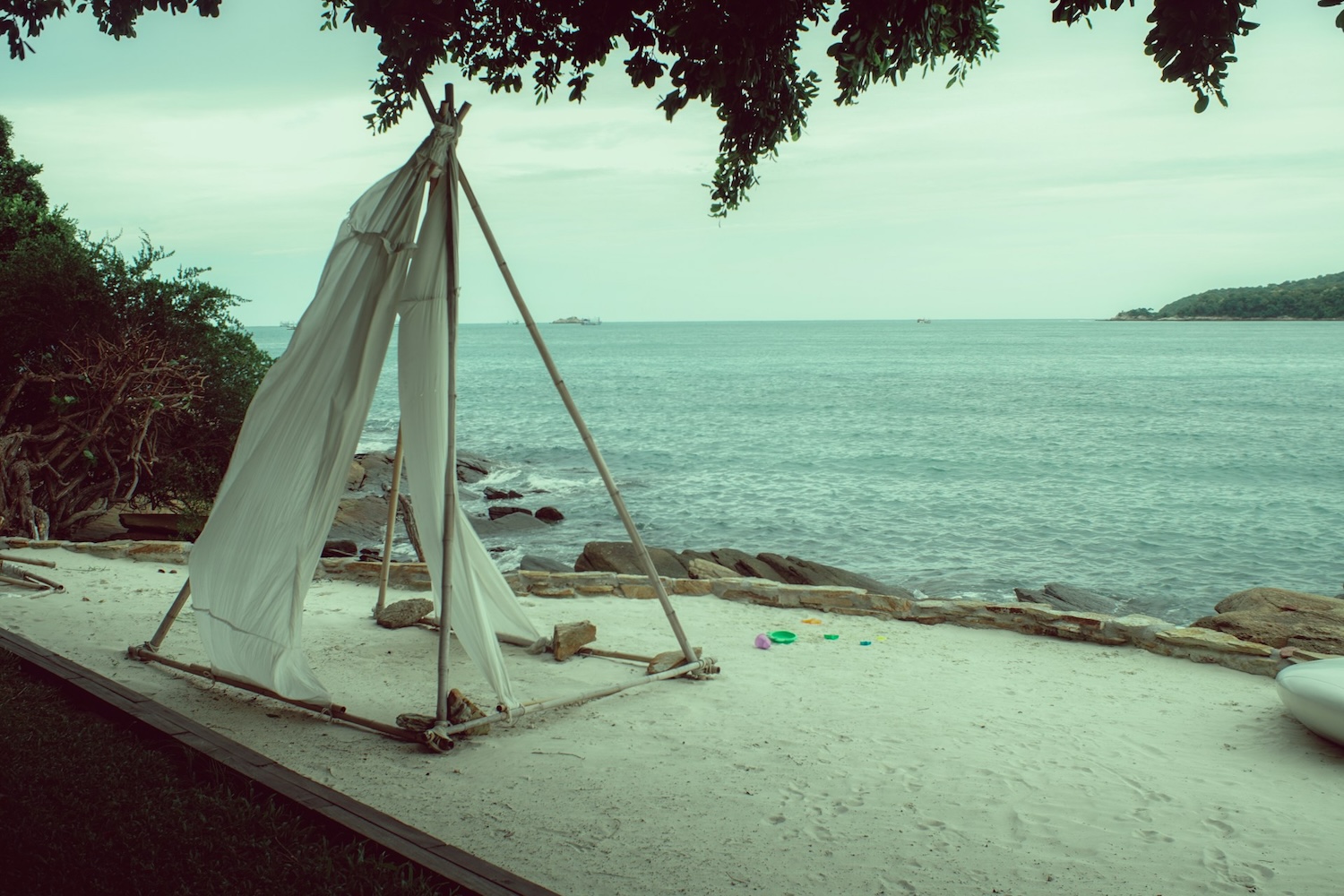
A guide to beach camping in Thailand
Thailand has a multitude of places to stay from gorgeous five-star pads in Bangkok to rustic beachfront wooden bungalows. But camping is also an option, and can unveil areas of this well-trodden country that not many venture to.
Initially, I didn't know if I was brave enough to 'rough it' on a Thai beach, but that was before I stayed on Ko Adang. Waking up on the quiet shores of this national park, a hop and a skip away from now boozy and brash Ko Lipe, felt like a dream. With only a few other campers all shaded under tall beach pine trees, and a couple of steps to the flat blue sea, this was my idea of heaven.
Overcrowded spots on Thailand’s dreamy shores have ruined so many places, but setting up on the sand should be the ultimate bucket list goal for folks dreaming of a castaway life. As well as saving cash, it also opens doors to the country's guarded natural spots as most camping sites are based in the country’s national parks.
Camping started out under the national parks department, mainly for local families and kids. During the seventies and eighties, that backpacker path, the one with banana pancakes, had wanderers stringing hammocks along shores; now those same beaches hold fancy hotels. Lately, though, a return to simple ways gains ground. Scattered across Thailand, more than a hundred and fifty parks provide controlled yet wild seaside stays.
Here are some of Thailand’s beach camping spots:
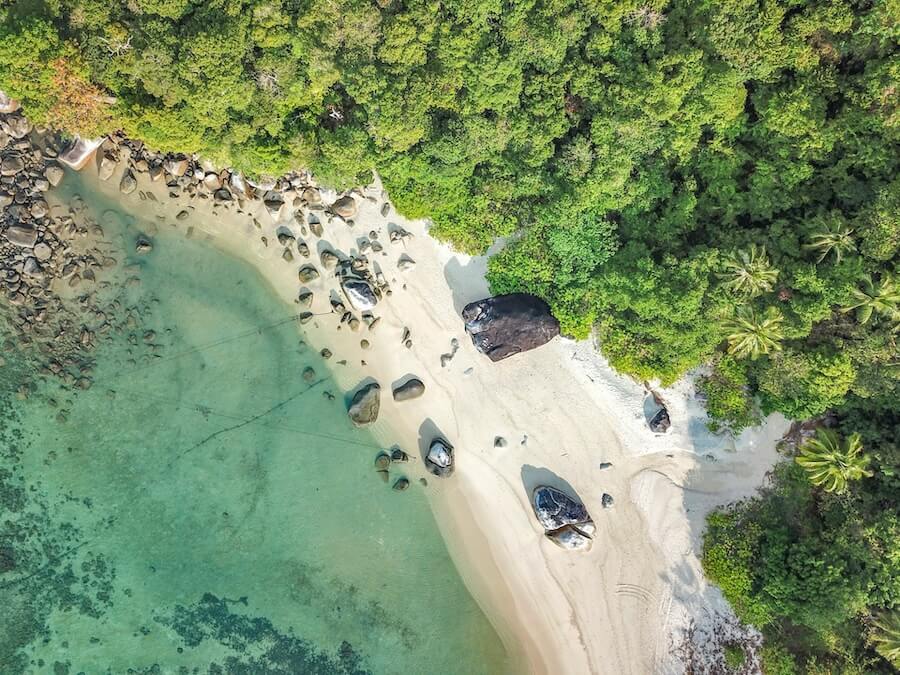
Ko Adang, Satun
Think rough hills covered in old-growth woods, the calmer but bigger sibling to tourist-heaving Ko Lipe. There used to be a resort here too but it’s gone and should never have been built on the national park in the first place.
The set-up? Pitch under tall casuarinas at the south station for rangers on pretty Laem Son beach. They hand out tough dome tents with a slim pad, tiny cushion, and bag for sleeping.
What to do? Hike Chado Cliff for three viewpoints over picture-perfect Lipe. Otherwise kick back in a hammock on this rare uncommercialised island.
How to get there? Catch a longtail boat from Sunrise Beach on Koh Lipe for a quick 10 minute ride to your deserted island bliss.
Good to know? The one restaurant in the park closes early at eight. There are no other shops or bars. Watch those cheeky macaques, they'll raid your setup for treats.
Booking? Book online through the official national park website. Note that this can often be down or difficult to navigate but spots are usually easy to come by as a walk in. Only open during the dry season.
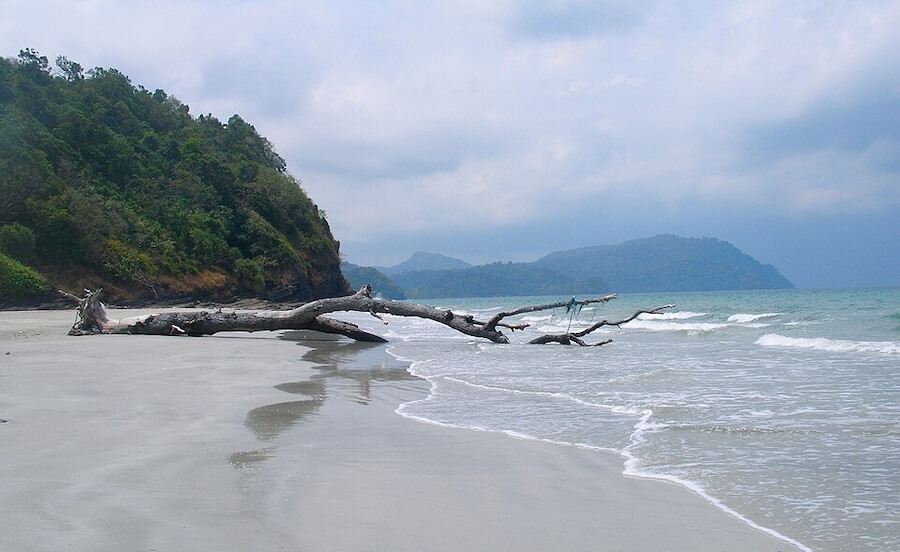
Ko Tarutao, Satun
Famous as the filming location for Survivor , this former prison island is huge and stunning. Despite its large size it’s never been inhabited, so it feels primitive and mysterious.
The set-up? Campers flock to Ao Molae: a calm cove with fine grains and sublime sunset views. Options for two up to four people in bigger tents.
What to do? Grab a bike to pedal Prison Road or paddle kayaks amid mangroves toward Crocodile Cave.
How to get there? A speedboat will zip you there from Pak Bara Pier in 45 minutes or so.
Good to know? There’s a solid food spot in the park. A stay here showcases the island's tough history.
Booking? Turn up or book online through the national park website. Only open during the dry season.
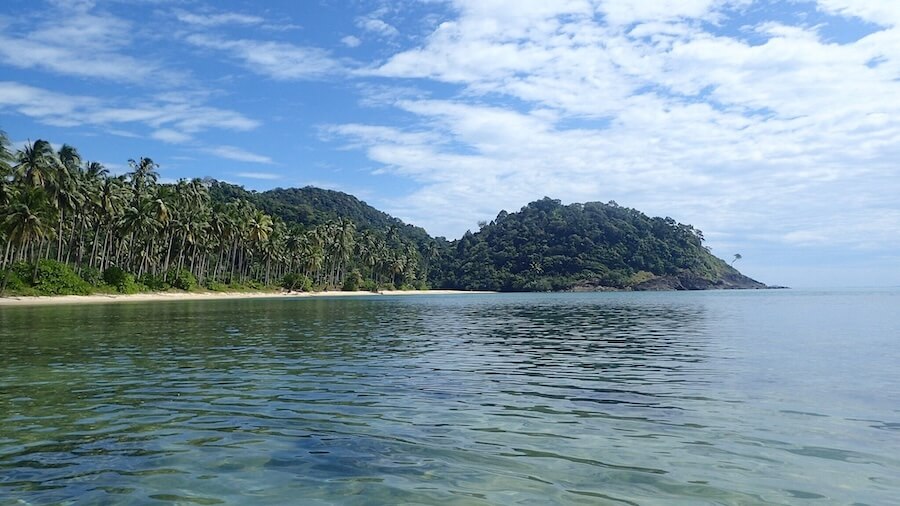
Wai Chaek Beach, Ko Chang
Hidden down south away from the noisy White Sand crowds, Wai Chaek Beach is the most remote beach on Koh Chang.
The set-up? Pure DIY. There are no facilities here. You carry your own gear.
What to do? Visit the hidden lagoon at the eastern tip of the beach for a feeling of absolute isolation.
How to get there? A grueling 4WD track or a long kayak from Salakphet. In the dry season, the Ghost Road (an unfinished road project) allows scooter access to those with nerves of steel.
Good to know? Bring everything —water, food, and a way to bring back your rubbish.
Booking? No need!
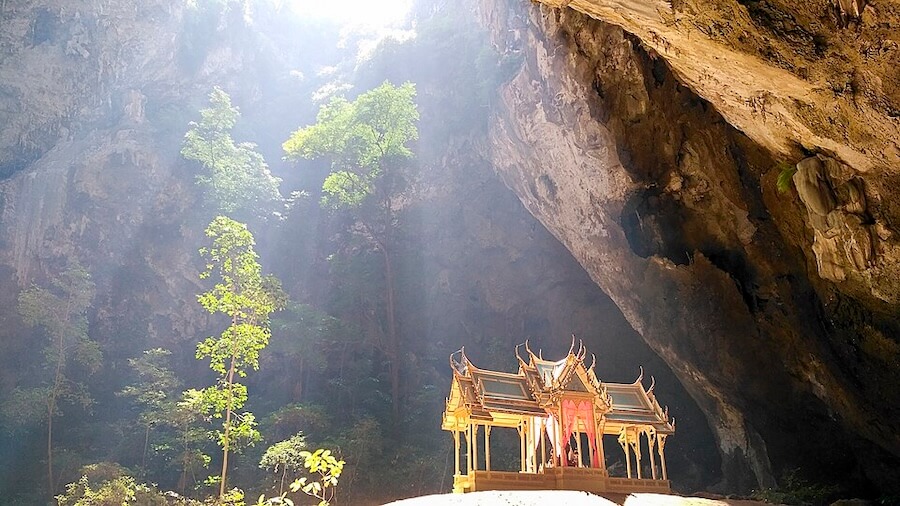
Khao Sam Roi Yot, Prachuap Khiri Khan
A dramatic landscape of freshwater marshes and limestone peaks.
The set-up? Long Sam Phraya Beach, edged by pines, seems worlds from busy Hua Hin nearby. Tents are standard-issue national park 2-person domes.
What to do? Explore Phraya Nakhon Cave: a pavilion built for kings which lights up around half past ten in the morning sun.
How to get there? Drive or bike from Hua Hin, one hour south give or take.
Good to know? Local seafood stands provide a decent dinner. Gusts whip up quick along here, so watch out for the wind.
Booking? Turn up or book online through the national park website. Only open during the dry season.
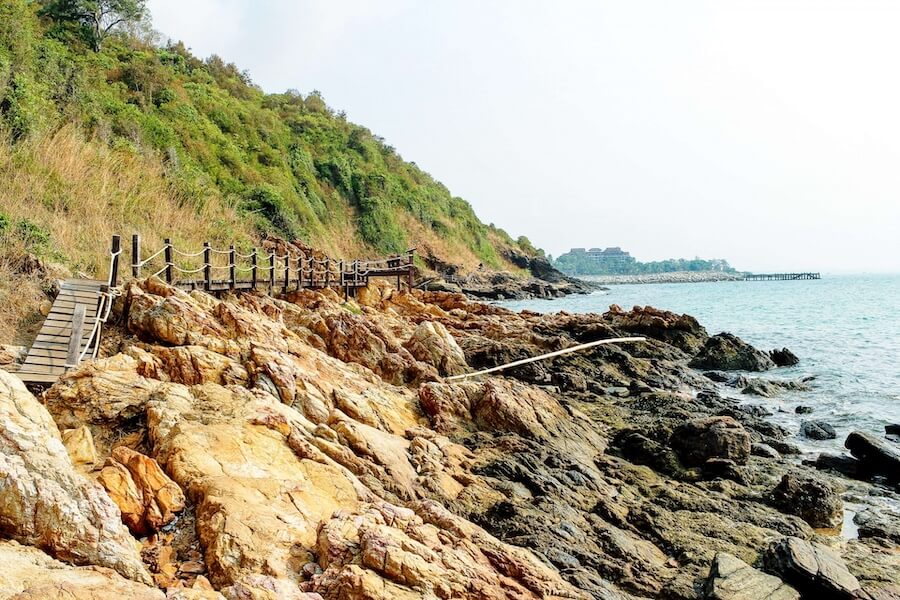
Khao Laem Ya, Rayong
Part of the Khao Laem Ya-Mu Ko Samet National Park, Khao Laem Ya is a pretty rocky headland with grasslands and golden beaches.
The set-up? Exceptionally well-maintained wooden platforms for tents right on the shoreline. Quality 2-person domed tents can be hired or bring your own.
What to do? Walk the elevated wooden boardwalk at dusk for sunset views over Ko Samet.
How to get there? Khao Laem Ya is a three-hour drive from Bangkok. Rayong is the nearest town.
Good to know? Great coffee shop and canteen on-site. It gets very busy on weekends, so book a weekday slot.
Booking? Turn up or book online through the national park website. Only open during the dry season.
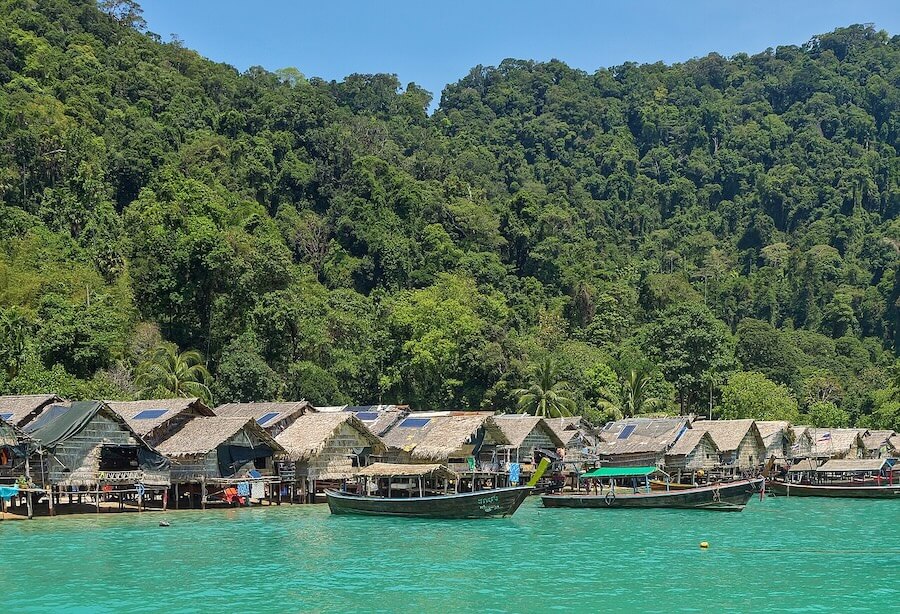
Ko Surin, Phang Nga
The archipelago of Ko Surin is the gold standard for diving and snorkelling. Glass-clear water and coral reefs are teeming with marine life.
The set-up? Two sites: Ao Mai Ngam (more secluded) and Ao Chong Khad. Tents are tucked under the trees for shade.
What to do? Snorkel with blacktip reef sharks and visit the Moken Sea Gypsy village.
How to get there? Speedboat from Khura Buri Pier (1 hour).
Good to know? The canteen operates on a voucher system. Watch out for the tide; at Ao Mai Ngam, it’s a long walk through the water to reach the boats at low tide.
Booking? Turn up or book online through the national park website. Only open during the dry season. Several other tour operators also have set up camping operations here including Discovery Khao Lak and Surin Islands.
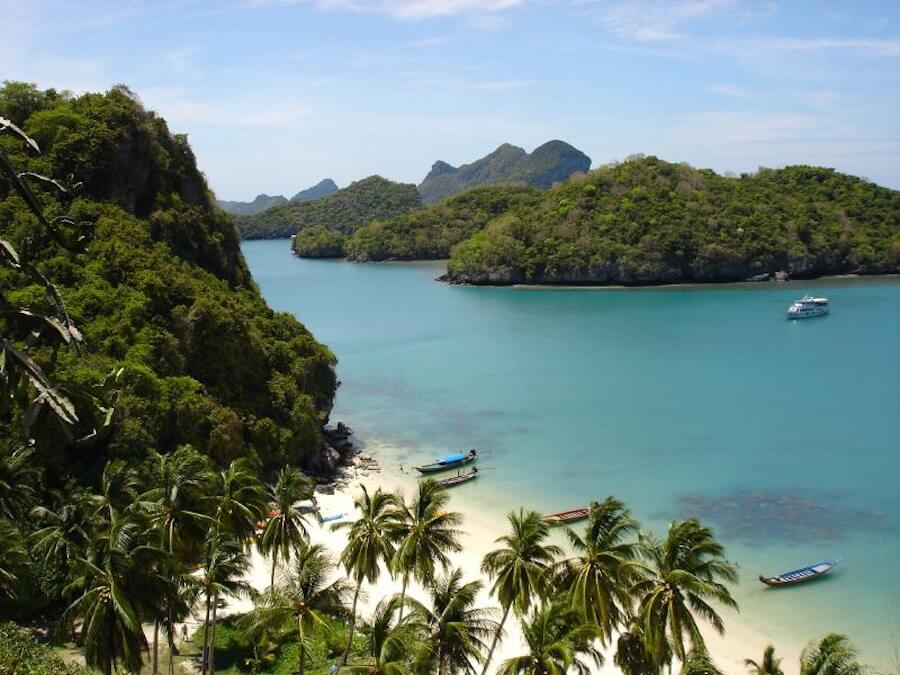
Ko Wua Ta Lap, Mu Ko Ang Thong National Marine Park
Tiny Koh Wua Ta Lep is part of the iconic archipelago that inspired the novel The Beach , Ang Thong National Park, which consists of 42 emerald islands rising from the Gulf of Thailand.
The set-up? The headquarters on Koh Wua Ta Lap is the only place to stay. After 4pm, when the daytrippers from Samui and Phangan leave, the island becomes a silent paradise.
What to do? The Pha Jun Jaras Viewpoint. It is a grueling, steep climb, but it offers the most iconic view in Thailand; 42 islands scattered across the turquoise sea. And watch out for Dusky Leaf Monkeys. Unlike the aggressive macaques elsewhere, these are shy, spectacled beauties that hang out in the trees above the tents. I’ve heard snorkelling is not bad here either.
How to get there? You must book a tour from Koh Samui or Koh Phangan and tell them you are "staying over." They will drop you off and pick you up a day or two later.
Good to know? The island has a small, government-run canteen serving surprisingly good green curry and iced coffee.
Booking? Turn up or book online through the national park website. Only open during the dry season. Several other tour operators also have set up camping operations here too including Ang Thong Marine Park and Koh Samui Tours.
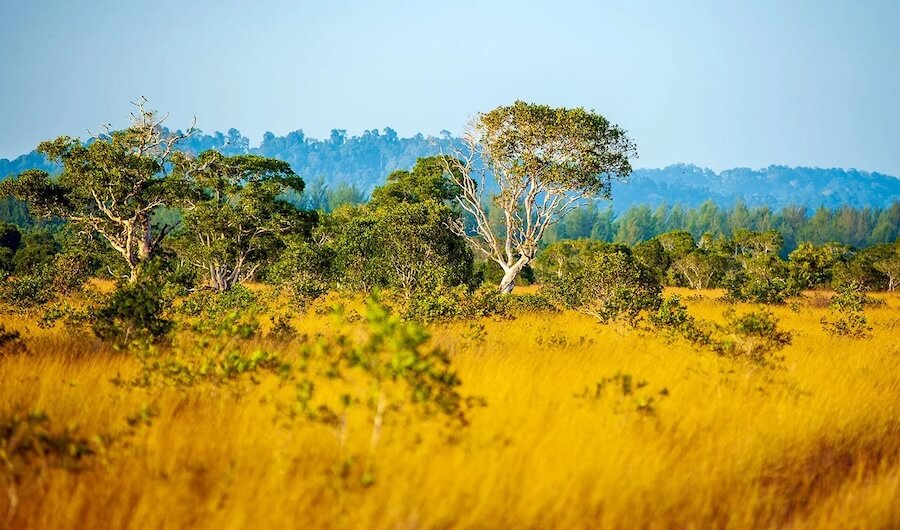
Ko Phra Thong, Phang Nga
Known as Thailand’s African savanna. The interior looks like Africa, but it’s fringed by 15km of deserted, golden-sand beaches. This island is still unspoilt and uncommercial too.
The set-up? Several small, eco-conscious private homestay camps offer beach camping or very simple bamboo huts. Bring your own tent or borrow from the resorts. It’s very flat, making it one of the easiest places to pitch a tent.
What to do? Explore the savanna on a local tractor-bus to spot rare deer and Sunda Sambars, followed by a sunset on a beach where you won't see another soul.
How to get there? Take a longtail boat from Khura Buri Pier (Phang Nga).
Good to know? Food is good. Eat what the local family-run camps cook (usually fresh catch of the day). Watch out for the heat. There is very little shade in the island's interior.
Booking? Try Tawan Resort or Seafari Eco Camp.
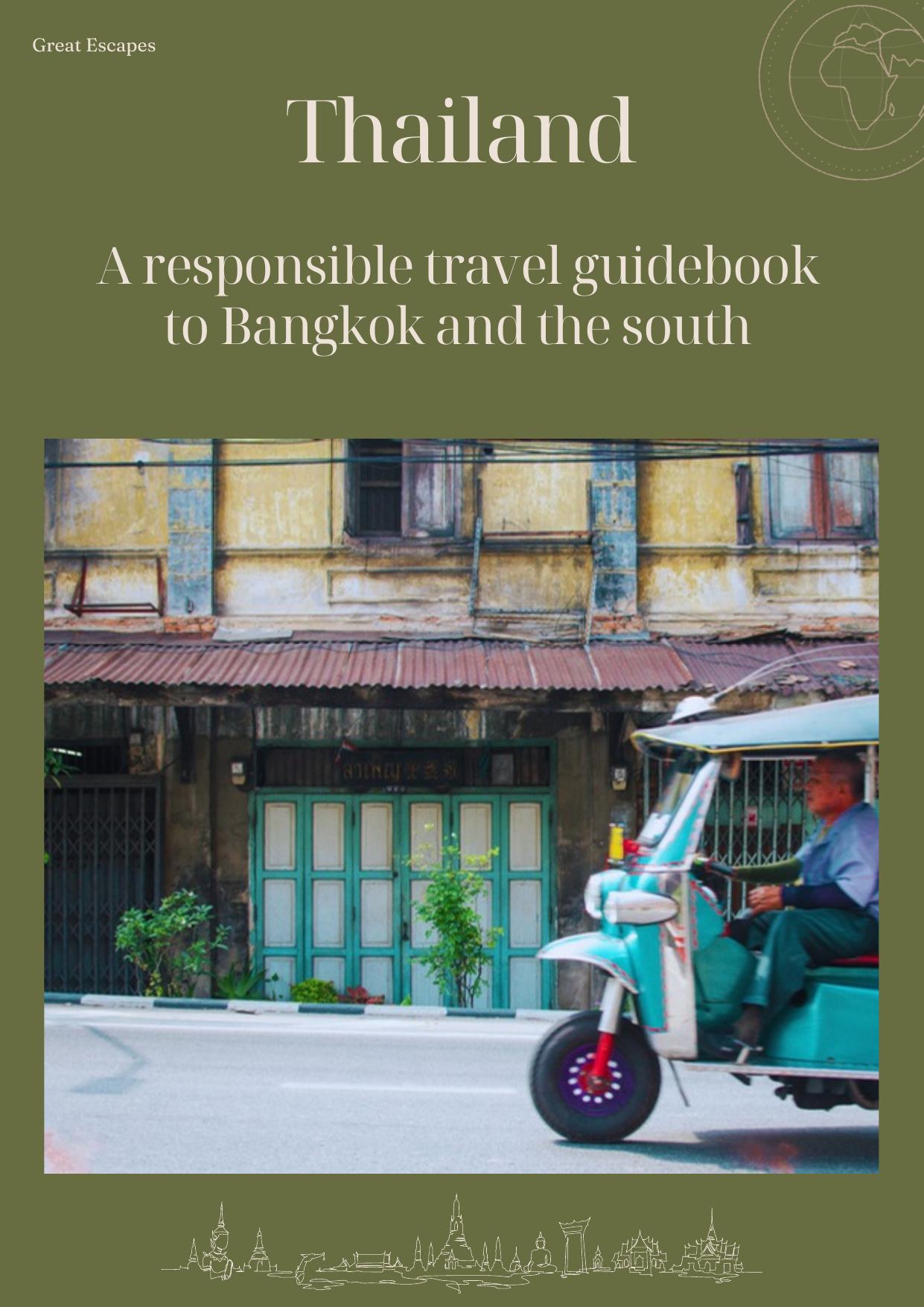
Planning a trip to Thailand?
Download our free 38-page guide to Bangkok and southern Thailand, with slow-travel itineraries, eco-stays and community-led experiences.
Get the free guide