
Really, what’s the difference? ‘Sustainable tourism’ vs ‘regenerative tourism’
Does 'regenerative' tourism mean something genuinely different from 'sustainable' tourism, or is it the same idea with better marketing? Thirteen researchers and industry leaders give thirteen different answers.
In destination and industry practice, what are the differences between ‘sustainable tourism’ and ‘regenerative tourism’?
Nine differences
Loretta Bellato, PhD candidate, Swinburne University of Technology, Australia
The practitioner pioneers of regenerative tourism have been developing the approach for 20 years. They see regenerative tourism as distinct from sustainable tourism. Sustainable tourism understands tourism to be an industry. By comparison, regenerative tourism sees tourism as a living system aligned with the ecological worldview and regenerative paradigm. Regenerative tourism’s core purpose is to build the capacity of human and non-human ecosystems to restore, renew, and evolve.
Sustainable tourism tends to pursue infinite economic growth whilst managing social and environmental impacts. The sustainable tourism approach tends to prioritise top-down and standardised interventions. In contrast, regenerative tourism approaches are co-created with communities. Regenerative tourism aligns with nature and prioritises equality and inclusion so that social, ecological, spiritual, and cultural development harmonises with the economy.
Both approaches promote the well-being of future generations: Sustainable tourism seeks to lessen the harm done by tourism, while regenerative tourism pursues net gain for all stakeholders, including nature, hosts, visitors and the local community.
There are nine distinctions identified in my research that my colleagues and I explore in more detail in a recent academic paper. Despite these distinctions, it is important to note that sustainability is considered an essential and interdependent regeneration process. Sustainability work such as conservation and restoration are maintained through developing regenerative capacity. In other words, incorporating sustainability measures is part of developing regenerative places and communities.
Entropy is a law of nature
Wolfgang Georg Arlt, CEO, COTRI China Outbound Tourism Research Institute & Director, Meaningful Tourism Center, Germany
Look it up on your favourite search engine and you will see that ‘regenerative tourism’ is oft-described as leaving a place better than it was before, while ‘sustainability’ is about striving to maintain what is for as long as possible. Unfortunately Newton’s second law of thermodynamics states that the total entropy of a system either increases or remains constant in any spontaneous process; it never decreases. In other words, an ecosystem once destroyed cannot be brought back; a culture or language extinct cannot spring to life again in the way that it was.
Sustainable tourism has often been reduced to the environmental aspect, but the sustainable development goals (SDGs), however unsuccessful, at least include the social and economic bottom lines. Regenerative tourism is often even more concentrated than sustainable tourism on restoring the flora and fauna of destinations. Unfortunately, the effects of the global climate catastrophe make it impossible to return to, or to ‘regenerate’, previous situations.
There is even the danger that regenerative tourism supports the illusion that some local action is enough to turn back the clock. Approaches like ‘positive sustainability’ leading to ‘meaningful tourism’ try to widen the horizon to a more holistic view.
‘Sustainability is the bare minimum one should expect’
Tim Russell, Group Marketing Manager, Khiri Travel
For me, the answer is simple. Sustainable tourism means tourists not having a negative impact on the destinations they visit i.e. leaving next to no footprint, not having an effect on local pricing (especially as regards property), behaving well and respecting local customs, and not making local people change their lifestyles to adapt to tourism. Sustainability is the bare minimum one should expect.
Regenerative tourism goes a step further and encourages tourists to have a positive impact on the places they visit. This might mean something as simple as boosting local economies by spending money in local businesses, but it may also involve tourists getting involved in charity or cleanup projects, volunteering their time at schools or similar organisations, or deliberately visiting secondary destinations that usually miss out on tourism dollars. Post-trip, it could also include acting as an evangelist for that destination via social media or WOMO (word of mouth).
For travel businesses like Khiri Travel, regenerative tourism is the logical progression of our sustainability ethic, particularly post-COVID when even our most popular destinations are feeling the squeeze.
‘Where we work, there is no great difference’
Greg Bakunzi, Founder, Red Rocks Initiative for Sustainable Development & Red Rocks Rwanda
In a real sense, where we work, there is no great difference between ‘regenerative tourism’ and ‘sustainable tourism’. Our ‘regenerative tourism’ approaches must consider environmental, social, and economic factors and deliver on all those expectations; the triple bottom line of ‘sustainable tourism’.
Red Rocks is based in the northern province of Rwanda, the food basket of our country. We usually engage tourists through nature conservation and community development. Our guests witness our regenerative work through multiple tours. One such tour involves our guests in nature conservation; planting trees that contribute to reforestation initiatives around Volcanoes National Park, and learning more about the forest’s role in the ecosystem, including the medicinal plants that grow in the forest. This ‘regenerative tourism’ example serves two purposes: Restoring a forest ecosystem and educating people about its benefits.
We also offer community-based tourism experiences specifically designed to benefit local people in our destination, while giving travellers a genuine insight into rural living in Musanze. Our joint project between tour operators gives communities living near Volcanoes National Park opportunities to earn supplementary incomes that help them ‘regenerate’ as places where real people live, work, and grow.
All negatives ‘finally solved and overcome’
Saverio Francesco Bertolucci, Administrative Assistant, Alcambarcelona, Spain
Being a postgraduate master in sustainable tourism development, I can easily describe both ‘sustainable tourism’ and ‘regenerative tourism’. Sustainable tourism has a very broad meaning while regenerative tourism is very clear in its purpose and goals.
Sustainability is divided in a triangular form that includes environmental, societal and economic spheres. Regenerative tourism is a specific strategy mainly adopted by destinations that heavily rely on the hospitality industry and recently suffered from mass tourism. In this context, regenerating tourism entails managing and controlling tourism flows and tourism profits in a way that benefits all stakeholders involved in or influenced by the industry. In a successful scenario, all negative outcomes are finally solved and overcome.
Sustainable tourism, instead, is a trending strategy without pure meaning since its value and purpose is wide depending on which sphere an individual wants to consider. In other words, it is currently difficult to talk about sustainable tourism without specifying if we are discussing social, environmental, or economic terms.
‘We’re obliged to do a lot more than just maintain what we have’
K Michael Haywood, Professor Emeritus, University of Guelph, Canada
I view ‘regeneration’ as thought and action that progresses beyond continuity. More critically, I sense that the current use of the term represents a sort of rebuke against an inadequate appreciation for and response to ‘sustainability’ and its four pillars; notably the insufficient attention given to the interconnectivity between human and environmental well-being.
Given the crises that now befall us, we’ve become more aware that sustainability works best when what currently exists is repairable. That reality, however, is quickly becoming bygone. So we’re obliged to do a lot more than just maintain what we have. Unfortunately, it’s doubtful whether operators or visitors appreciate this, or know how to act or behave in what could be called ‘regenerative’ ways.
After all, many companies and communities say they have been doing their best to reduce the harm touristic activities cause, but their actions have tended to be limited and sometimes illusory. ‘Greenwashing ’ has been well documented, but in its criticism of ESG activities, what The Economist got wrong is enlightening and requires redress.
One would only hope, therefore, that what some call ‘regenerative tourism’ — tourism that leaves a place better than it was before — would be more forthcoming and rather less utopian and moralistic in tone. While it’s more than an economic model, a more frugal economy is needed; one that desperately calls for regenerative innovation that has to be astute and co-evolutionary; socially, culturally, environmentally, and economically. As any thesaurus will reveal, synonyms for ‘regenerative’ go beyond that which is restorative and resilient to include that which is developmental, corrective, enabling, nurturing, edifying, refining, beautifying, and liberalising.
Tourism will astonish when, in today’s parlance, its participants become ‘woke’ to ‘communityship’; a communityship that embraces these notions, and becomes ingenious in its regenerative accomplishments.
Is ‘sustainability’ still viable?
Phoebe Everingham, Researcher, University of Newcastle, Australia
In the face of ecological collapse due to human-induced climate change, the term sustainability is becoming increasingly redundant. Capitalist development has been so detrimental that what is left to be sustained of the ‘natural environment’ is no longer enough to reverse negative impacts on natural cycles.
Moreover sustainable tourism has been co-opted by an agenda of sustaining certain extractive forms of economic growth that privilege wealth accumulation at the expense of the natural environment and the majority of humans. Too often in so-called ‘sustainable’ models, the main focus is on increasing tourist numbers and revenue.
Mass consumption and mass tourism has perpetuated these detrimental effects on the environment, and we are now exceeding planetary limits. What we need now are forms of tourism that regenerate the natural environment, and give more equitable returns to a larger group of stakeholders; including the non-human world.
Tourism can play an important role in driving the shift towards a green economy, however more investment is needed in low-carbon transport and resource efficiency. But more than this we need localised, circular, and regenerative models that foreground connections between environmental and social ecologies.
This involves system thinking that positions humans within a larger web of life, and emphasises support for vulnerable natural and human communities. Social, economic, and biophysical impacts are interconnected. Tourism development should always be considered as part of a bigger system wherein planetary life takes priority.
It is clear that even after decades of sustainability talk in tourism that there is still a long way to go in terms of implementing best-practice models. What is needed now is more regenerative thinking and a clear commitment to future-proofing the world in the face of increasing climate chaos.
In the urban context they are much the same
Sudipta K Sarkar, Senior Lecturer in Tourism, Anglia Ruskin University, UK
Fundamentally, both ‘sustainable tourism’ and ‘regenerative tourism’ are buzz terms based on the principle of ‘feeling good’ or ‘doing good’. Some say ‘regenerative tourism’ is about leaving a place better than it was before, while ‘sustainable tourism’ is about protecting, conserving, and maintaining what is left for future generations.
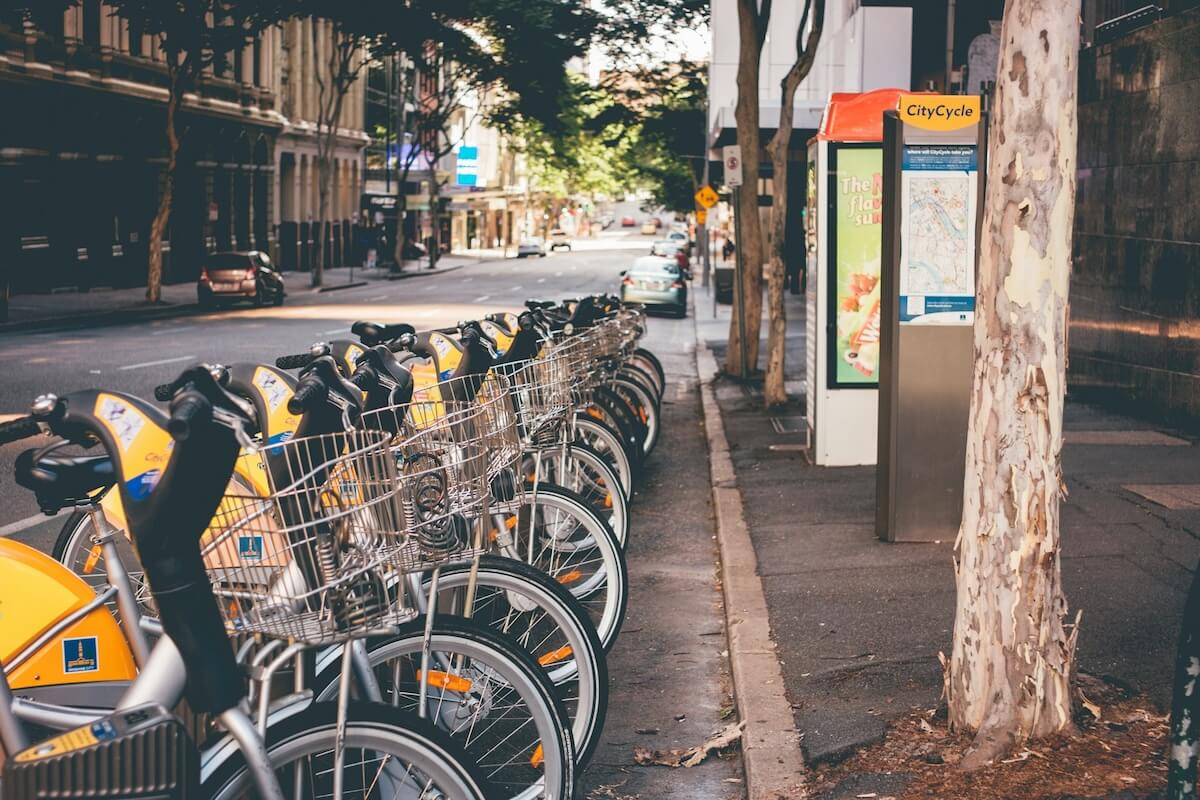
From an urban cultural point of view, regenerative initiatives can repurpose and rejuvenate (often abandoned) sites which earlier had a different function (e.g. industrial sites converted into parks, recreation areas, entertainment zones, or education campuses).
The aim here is to elevate the well-being, quality of life, and experiences of the urban masses. Examples include former industrial buildings along the Mersey River in Liverpool, UK that have been converted into state-of-the art museums. Another example is the Cheonggyecheon Stream in Seoul, South Korea which was covered by an elevated highway for decades starting in the 1970s, then revived in 2003 as a more ‘natural’ or ‘green’ space for recreational activities.
Sustainable tourism can be referred to as something that uniformly sustains the generation of economic, ecological, and cultural wealth and involves the participation of both mass and ‘niche’ visitors (depending on the destination). Mass visitation to ‘natural’ urban sites for therapeutic, recreational, and social purposes rationalises the protection and ‘regeneration’ of the ecological quality of such sites as well as their ‘sustainability’ in the context of city living.
Regardless of buzzwords used and where tourism occurs, expecting the industry to do only good with no fallout is a fallacy. In the urban context, the validation of both catchphrases is possible if the urban masses embrace the ‘feel-good’ and participate in the ‘do-good’, while accepting that there will be (unavoidable and unforeseeable) negatives.
Taking responsibility leads to sustainable, regenerative outcomes
Susan Eardly, Founder, Serene Vacations, Sri Lanka
The COVID-19 pandemic offered the tourism industry the opportunity to rethink and rebuild tourism. Responsible tourism actions by individuals, businesses, and destinations leads to a sustainable tourism approach, which follows an inclusive growth model where the economic, social, and environmental factors are considered.
Involving local communities and supporting local economies could be aspects of responsible tourism. Travellers are becoming more cautious about using resources sustainably. So tour companies can rethink, and offer them more sustainable and unique travel services.
Regenerative tourism goes beyond sustainable tourism and aims to restore the natural world, which is important to human health and wellbeing. Tourism organisations can also offer memorable, authentic, life-changing experiences towards mitigating climate impacts. Similarly, a collaborative approach by all stakeholders is important to achieving regenerative tourism goals.
Old wine. New bottles
Melanie Kay Smith, Associate Professor / Programme Leader, Budapest Metropolitan University, Hungary
We have a tendency in tourism academia and research to pour old wine into new bottles; in other words, to coin new phrases for old phenomena! A good example of this is ‘overtourism’, a term we used in the immediate pre-COVID years to describe overcrowding and mismanagement of tourism in destinations. Overtourism studies forced us to reassess our approaches to destination management, which needed to be even more focused on principles of sustainability.
Sustainability was an evolving concept which was originally based on environmental impacts (1990s) but was expanded to include social and economic elements. Sustainable tourism, therefore, benefited communities socially and economically while still protecting ecosystems. Overtourism was predominantly based on social impacts of tourism on residents, according to some systematic reviews.
COVID gave the environment a rest from tourism. The post-COVID era has forced us to prioritise economic issues (e.g. restarting businesses and overcoming labour shortages). It is now tempting to assume that post-COVID tourism development and strategies will radically change the face of tourism rather than go back to ‘business as usual’. Many of these debates are taking place in the emerging area of so-called ‘regenerative tourism’, which has been described as ‘making things better’; a more sustainable, more resilient tourism.
The United Nations advocates approaches that are more collaborative, involving local communities, with an emphasis on environmental stewardship. More scrutiny should be given to the tourism value chain and circular economies than in previous models of sustainability.
Destinations should not be so dependent on tourism in order to be resilient. However, human nature does not easily change, and such models rely on the support of governments and the sacrifice and compromise of consumers. For this, tourism may not be the main or the only starting point!
‘To regenerate is to heal’
Debbie Clarke, Director of Regenerative Development, GOOD Travel (no relation), New Zealand
For something to be regenerative, it needs to be alive, interconnected, and embedded in larger nested living systems. To regenerate is to heal, to bring more vitality and life into existence.
For tourism to contribute to regeneration, in destination and industry practice, we need to step back and ask the bigger question about tourism’s purpose at this critical time on our planet: “How can tourism contribute to healing, and bring more vitality and life into existence?” This is a fundamental shift in thinking.
As we cultivate a different mindset, we can begin to develop a different worldview that understands everyone (human and more-than-human) is interconnected in interdependent living systems. The ongoing practice of developing this mindset takes us well beyond the still-needed actions of sustainability. This practice invites us to explore questions relative to who we are in our place, in collaboration with others, and listen deeply for what emerges.
These questions might include:
- What is the potential of our place? Who does it want to become?
- What are the systems tourism is part of, and relies on, that we can help transform to bring about more life and vitality here?
- What capabilities do these systems need to develop to be adaptive, responsive, more resilient, and thriving in the future? What is tourism’s role in helping to develop those capabilities?
- Where can we develop reciprocally beneficial relationships in our local systems, across sectors, to strengthen us all?
- If ‘regeneration’ is to become more alive, what makes me feel alive?
- Am I encouraging life to thrive? What does that mean in this unique place? What do I uniquely have to offer? What’s my role and contribution to the healing of my place?
- And what capabilities do I need to develop to fulfill this role?
This practice is a lifelong journey.
Regenerative approaches add new energy
Jonathon Day, Associate Professor | Graduate Program Director, White Lodging — J.W. Marriott, Jr. School of Hospitality and Tourism Management
Regenerative approaches start with the imperative of making things better. While the definition of sustainability and sustainable tourism fully incorporates this type of approach, in practice, sustainability often feels like it is a set of practices designed for “not bad” rather than “better”. This sentiment extends far beyond tourism.
Elkington, the originator of the term “Triple Bottom Line” recognises that regenerative approaches, while built on the foundations of sustainability, have added new energy to achieving important goals. While I am sure there are differences between regenerative tourism and sustainable tourism (that academics like me will be writing about for years to come), I am excited by the enthusiasm around regenerative approaches and their contributions to a better tourism system.
‘What kind of tourism do we need post pandemic?’
Edwin Magio, Teaching & Research Assistant, Moi University, Kenya; Commonwealth Scholar, Leeds Beckett University, UK
Sustainable tourism is about making sure we don’t spoil the places we visit and that they remain available for future generations to enjoy. Regenerative tourism, on the other hand, is about improving a place and making it better than we found it.
What kind of tourism do we need post pandemic?
The pandemic jeopardised the world’s most popular tourist destinations; environmentally, culturally, socially, and financially. Given that many destinations have been affected and need some form of repair or solutions, it is vital not only to maintain the destinations but to improve (regenerate) them.
Regenerative tourism has the potential to offset the damage that tourism-dependent destination communities have suffered during the pandemic. Moreover, it is essential to help destinations recover from the profound impacts of COVID-19 and the negative effects of the industry, such as climate change, environmental degradation, and biodiversity loss. This will help these destinations remain relevant and competitive. Sustainable tourism alone will not allow a negatively-impacted destination to improve, let alone get closer to the state it was in before the negative changes.
Therefore, if we are to succeed in recovering from COVID-19, we need:
-
to make sure that we don’t damage destinations, and
-
to improve destinations and make them better than they were before.
This article was originally published on Good Tourism

Poste restante
Greater escapes in your inbox
New stays, thoughtful stories and travel ideas. Unsubscribe whenever.