

Responsible travel in Cambodia and Laos
Cambodia and Laos have long drawn travellers seeking cultural depth and natural beauty. But behind the postcard scenes lies a more complex reality, one shaped by poverty, the legacy of war, and the pressures of tourism. How can tourists ensure their impact is as positive as possible in these beautiful countries?
Vine-choked jungles, glittering temples, slow-moving rivers, and welcoming smiles, Cambodia and Laos offer rich rewards for visitors. But behind the beauty lie fragile ecosystems and communities navigating the pressures of tourism. What may be a tourist attraction is also somebody's home. Being a responsible tourist in Cambodia and Laos means supporting local livelihoods, respecting cultural heritage, taking care of the environment and ensuring your journey leaves a positive impact long after you’ve gone. Here's how.
The impact of the past
Cambodia and Laos may share a border and many of the same challenges, but their histories have left distinct imprints on their modern identities. In Cambodia, the shadow of the Khmer Rouge still looms large. Between 1975 and 1979, an estimated two million people—almost a quarter of the population—died under Pol Pot’s brutal regime. The country’s social and economic fabric was decimated, and although Cambodia has made remarkable strides in rebuilding, the legacy of trauma and underdevelopment continues to shape daily life.
Today, tourism plays a pivotal role in the country’s economic recovery, with around 6.7 million international tourists visiting in 2024 (an increase of nearly 23% from the previous year) bringing in an estimated $3.6 billion in revenue. Laos, meanwhile, carries the scars of the Vietnam War. During this time it became the most heavily bombed country per capita in history. These hidden dangers still threaten lives and hinder farming and development today, particularly in rural areas. Despite these challenges, Laos is slowly emerging as a tourism destination in its own right. In 2024, over 4 million tourists visited the country, a promising sign of recovery and growth following the COVID-19 pandemic.
But prosperity is far from evenly distributed. Both nations remain among the poorest in Southeast Asia. In Cambodia, nearly 18% of the population still lived below the national poverty line in 2021, according to the World Bank. Rural communities often lack reliable access to clean water, healthcare, and education. In urban areas like Phnom Penh, slums and informal settlements persist in the shadows of new high-rises, while communities around the Tonlé Sap lake live on precarious margins despite proximity to major tourist routes.
Laos faces similar inequalities. Its mountainous terrain and limited infrastructure make development especially difficult in remote areas, particularly for ethnic minority groups. Around 20% of the population still lives in poverty, with chronic undernutrition and restricted access to services posing persistent challenges. The legacy of unexploded ordnance (UXO) not only endangers lives but also stifles agricultural productivity and infrastructure development.
Tourism can be both a lifeline and a risk. It brings jobs, investment, and opportunities for cultural exchange, but unchecked tourism can deepen inequality, displace communities, and expose vulnerable people to exploitation. In Cambodia orphanage tourism became disturbingly common in the 2000s, with unscrupulous institutions taking in children, many of whom had living parents, to attract donations from well-meaning foreigners. Though awareness has grown and regulations have tightened, the issue has not disappeared. Poverty also fuels dependence on low-paid, insecure work in both countries’ informal tourism sectors, from tuk-tuk drivers to souvenir vendors, many of whom lack basic protections.
The legacy of landmines
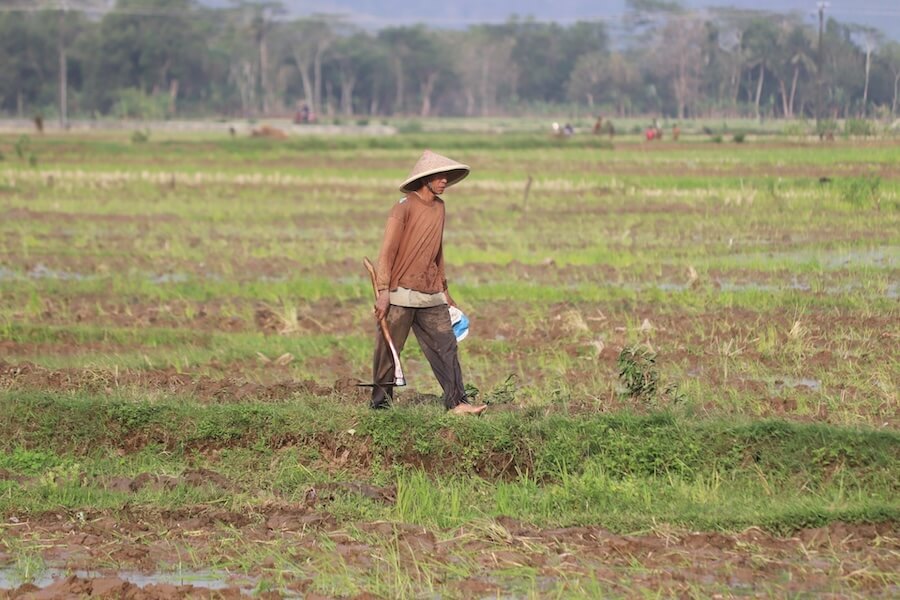
In both countries, local and international NGOs such as APOPO, MAG (Mines Advisory Group), and the HALO Trust are working to clear land, educate communities, and support survivors. Responsible travellers in Cambodia and Laos can contribute in several ways. Visiting UXO visitor centres in Luang Prabang or Phonsavan (Laos) and Siem Reap (Cambodia) helps raise awareness and funds for clearance work. Look out for tour operators who often support these organisations or offer trips that include educational components about UXO issues. Travellers can also donate directly to clearance charities, support businesses that hire survivors, and avoid venturing off marked paths in rural areas where UXO may still lie hidden.
Orphanage tourism in Cambodia and Laos
One of the most troubling manifestations of unethical tourism in Cambodia, and to a lesser extent, Laos, is orphanage tourism. What might feel like a meaningful way to give back, visiting or volunteering in a children’s home, will do more harm than good. Over the last two decades, Cambodia has seen a proliferation of orphanages, not driven by need but by demand. According to UNICEF, the number of orphanages in Cambodia increased by 75% between 2005 and 2010, despite the number of orphans actually decreasing. Shockingly, around 80% of children living in these institutions have at least one living parent.
Often located close to tourist hotspots like Siem Reap and Phnom Penh, these institutions are designed to attract well-intentioned visitors—and their donations. Children are taught to perform dances or smile for photos, while travellers are encouraged to bond with them during short visits. But such interactions can be destabilising for children, creating attachment issues and psychological trauma from repeated short-term relationships with strangers. As Nolan Quigley, Director of Global Advocacy at Hope and Homes for Children, puts it:
“Orphanage tourism is a booming business that is tearing families apart, while exposing children to unvetted adults and child labour. Once a child is locked up in an orphanage in a tourist hotspot, they’re often forced to beg and perform for visitors, and parents can be prevented from visiting.”
In tandem with orphanage visits, tourists in Cambodia and Laos may also encounter children begging in the streets or selling trinkets near temples and markets. While giving money or buying from them may feel compassionate in the moment, it reinforces a system in which children are kept out of school and used as economic tools. Many are sent out by adults or criminal networks who profit from their earnings, continuing cycles of poverty and exploitation. In popular areas like Siem Reap’s Pub Street or the banks of the Mekong in Luang Prabang, you’ll often see very young children working well into the evening, vulnerable to abuse and unsafe conditions.
Instead, support reputable local organisations working to keep families together, improve education access, and build community resilience. One such initiative is Cambodia Children’s Trust (CCT), which focuses on community-based solutions that keep children in safe, loving families rather than institutional care. In Laos, organisations like Lao Friends Hospital for Children or Big Brother Mouse (which promotes literacy and education) offer impactful ways to help without fuelling harm.
Supporting local people
In both Cambodia and Laos, poverty remains a significant challenge, particularly in rural areas and among marginalised groups. Tourism, when done right, can offer a vital economic lifeline by generating jobs, stimulating small businesses, and creating pathways out of poverty. One of the most effective ways to contribute is by supporting local enterprises and social initiatives that directly benefit vulnerable communities. This will create a direct positive effect upon local livelihoods.
Social enterprises play a particularly powerful role. Unlike conventional businesses, these organisations reinvest their profits into social or environmental goals, offering not just jobs, but training, education, and long-term empowerment. By choosing to eat, shop, or stay at a social enterprise, travellers can help tackle the root causes of poverty and inequality, rather than simply donating to short-term aid projects. In Siem Reap, for example, HAVEN Restaurant trains young adults from orphanages, safe shelters, and underprivileged rural areas in cooking, service, and English language skills. After graduation, trainees are supported into full-time employment in the hospitality sector—breaking the cycle of poverty through sustainable skills. Just down the road, Sister Srey Café employs local youth and donates part of its profits to education and environmental initiatives, including plastic reduction campaigns. In Phnom Penh, Friends International’s Tree Alliance restaurants like Romdeng and Friends the Restaurant provide culinary and life skills training for street-involved youth. These are not just places to eat, they are part of a wider support network offering counselling, healthcare, and housing referrals. Visitors can also support artisan projects like Artisans Angkor, which provides employment and fair wages for rural craftspeople, or the Rajana Association, which helps Indigenous artisans preserve traditional skills while building financial independence.
Across the border in Laos, women from remote ethnic minority communities are trained in natural dyeing, silk weaving, and business skills at Ock Pop Tok, helping them earn stable incomes while preserving centuries-old textile traditions. Visitors can take weaving workshops, tour the gardens as well as purchasing unique gifts. In Nong Khiaw, the MyBanLao Homestay network provides simple but welcoming accommodation run by local families. The initiative creates income opportunities in remote villages where few other jobs exist and ensures that tourism dollars stay within the community, funding things like school materials, clean water projects, and better nutrition.
Animal welfare
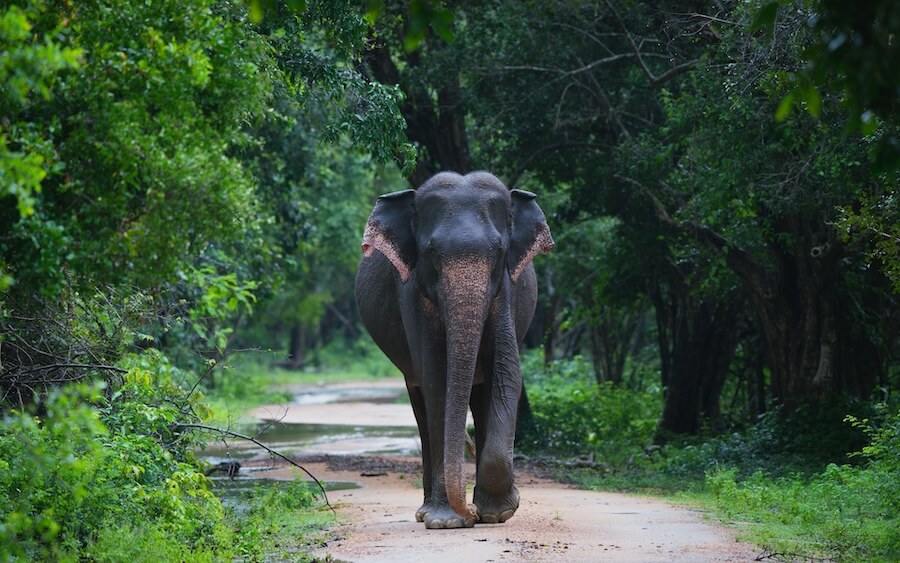
Thankfully, awareness is growing, and more ethical, responsible travel alternatives are emerging. In Laos, the MandaLao Elephant Conservation near Luang Prabang has become a model for responsible elephant tourism. There are no rides here. Instead, visitors join guided treks into the jungle to observe elephants roaming freely, often splashing in the Nam Khan River or foraging among the trees. The centre focuses on rehabilitation and long-term care, working closely with local communities to ensure sustainable livelihoods that don’t depend on exploitative practices. In Cambodia, Elephant Valley Project in Mondulkiri offers a similar sanctuary-based approach. Located in a remote eastern province, this pioneering project rescues overworked or mistreated elephants, many formerly used in logging or tourism, and gives them space to recover in a semi-wild environment. Visitors spend their days walking alongside the elephants, learning about their behaviour, and supporting local mahouts (elephant caretakers) whose traditional knowledge is vital to their wellbeing.
Other wildlife attractions demand caution too. Tigers drugged for selfies, macaques dressed in clothing, and snakes kept in poor conditions for photo ops still crop up in rural areas. The rule of thumb for travellers is simple: if an animal is being handled, displayed unnaturally, or used for entertainment, it’s likely suffering. Instead, seek out opportunities to support wildlife through reputable sanctuaries, national parks, or conservation NGOs.
Land grabs, logging and biodiversity
Both Cambodia and Laos are grappling with rampant deforestation, biodiversity loss, and land grabs that displace Indigenous and rural communities. Cambodia, in particular, has one of the highest deforestation rates in the world. Between 2001 and 2020, the country lost more than a quarter of its tree cover, much of it driven by large-scale economic land concessions for rubber, palm oil, and timber extraction, some of which have been linked to corruption and the military elite. Virachey National Park in Cambodia’s northeast, a theoretically protected area home to clouded leopards, sun bears, and endangered gibbons, is under increasing threat from illegal logging and encroachment. Despite its status, satellite imagery and local testimonies reveal ongoing deforestation within park boundaries. Indigenous communities such as the Brao and Kreung, who have lived in these forests for generations, face mounting pressure as ancestral land is converted to agribusiness.
In Laos, development along the Mekong River and its tributaries has exacted a heavy toll on biodiversity. A cascade of hydropower dams, backed by foreign investment, has disrupted fish migration patterns, decimated aquatic ecosystems, and displaced thousands of villagers. Wetlands and forest corridors are rapidly disappearing, putting pressure on species already teetering on the brink.
However, in Laos, Nam Et-Phou Louey National Park in the north offers a glimmer of hope. Known for its night-time wildlife safaris, the park is home to rare species like the Indochinese tiger and white-cheeked gibbon. The ecotourism model here directly benefits local villagers, who are employed as guides, boat operators, and homestay hosts. The project has been praised for offering an alternative to poaching and slash-and-burn farming. Another innovative model is The Gibbon Experience, located in the Bokeo Nature Reserve in northwestern Laos. Tourists stay in treehouses accessible only by zipline, immersed in primary forest that serves as critical habitat for the endangered black-crested gibbon. The project channels revenue into forest patrols and conservation education, while employing local residents as guides and forest monitors, creating a strong incentive to protect rather than exploit their natural environment.
In Cambodia, the Kulen Promtep Wildlife Sanctuary in Preah Vihear province is another bright spot. Managed in part by the conservation NGO Wildlife Alliance, this sanctuary protects critical habitats for the giant ibis, Cambodia’s national bird and one of the world’s rarest, and supports patrols that help curb illegal logging and wildlife trade. Visitors can stay at nearby community-based eco-lodges, where their presence helps fund ongoing protection. Similarly, the Cardamom Tented Camp, located within the vast Cardamom Mountains rainforest, shows how low-impact ecotourism can serve as a bulwark against deforestation. Partnering with Wildlife Alliance and the Ministry of Environment, the camp directly supports a team of forest rangers who patrol the surrounding area to prevent illegal logging, poaching, and land encroachment. Guests are invited to accompany rangers on patrols, providing both financial and moral support to conservation efforts, while also raising awareness of the forest’s ecological value.
Overtourism and development pressures
The surge in tourism has led to overtourism in some places in Cambodia and Laos. In Laos, World Heritage site, Luang Prabang, welcomed over 2 million tourists in 2024, far surpassing its initial goal of 900,000 visitors. The influx has raised concerns about the town’s cultural identity, rising property prices, and the strain on infrastructure, particularly as large Chinese-backed developments threaten to reshape its historic riverside landscape. However, the government has placed some restrictions on new construction in the heritage zone and is working with UNESCO on heritage management plans.
On Cambodia’s southern coast, Sihanoukville has been transformed by rapid, poorly regulated Chinese investment into a casino and construction hub, leading to environmental degradation, loss of public beach access, displacement of local communities, and rising local resentment. Nearby coastal areas like Kampot and Kep, plus some of Cambodia's beatiful islands, are beginning to experience similar pressures, as tourism and real estate development push outward.
Angkor Wat, Cambodia's stunning temple complex, faces challenges from the sheer number of visitors. In 2019, the complex received over 2.2 million visitors. UNESCO has also expressed concern about the Cambodian authorities’ relocation of communities living near Angkor, raising questions about cultural displacement and rights abuses.
Measures to combat overtourism at Angkor have been introduced, including rerouting visitor flows, limiting access to certain temple areas, and promoting lesser-known sites like Banteay Chhmar and Koh Ker. To visit Angkor more responsibly and avoid making overtourism worse, start by timing your visit wisely. Skip the overcrowded sunrise at Angkor Wat and explore in the early afternoon instead, or catch sunset at quieter spots like Pre Rup. Spread your temple visits over multiple days with a 3- or 7-day pass, and consider cycling or using electric tuk-tuks to get around sustainably. Dress modestly, avoid climbing on temple ruins, and be mindful of local customs, especially when photographing monks or worshippers. Consider travelling during the off-season (May to September) too when the whole complex will feel much more peaceful. Travellers can ease their footprint in Luang Prabang by staying in locally owned guesthouses rather than global chains, supporting businesses that preserve Lao traditions, and avoiding activities that commercialise or distort local culture for entertainment. In both countries, look for travel and tour operators who promote low-impact activities, such as cycling tours, traditional crafts workshops, and rural homestays, which will help to disperse tourism more evenly such as Green Discovery Laos, Tiger Trails Laos, Adventures Cambodia and Guiding Cambodia.


Poste restante
Greater escapes in your inbox
New stays, thoughtful stories and travel ideas. Unsubscribe whenever.