
Bang Rong Community Tourism
Phuket, Thailand
- Culture
- Coast
- Award-winning


Experience a different side of Phuket through small, locally-led tours
In the 1990s the village's mangrove forest, the last of its kind left in Phuket, was being cut for charcoal, and locals launched a replanting effort in 2001 that eventually brought back the fish, crab and shrimp that the fishing community depends on. The community tourism programme grew out of this success. Visitors now paddle or take long-tail boats through that same restored mangrove forest, learning from local guides about their lives.
As well as mangrove exploration, a full day trip includes harvesting pineapple, tapping rubber trees, catching octopus by hand with a local fisherman and releasing egg-carrying female crabs onto seagrass beds, where the eggs stand a far better chance of surviving. Lunch is at the village's own halal restaurant overlooking Bang Rong pier, and the day often ends on Koh Phae, a small island whose sandbar only appears at low tide, eating whatever was caught that afternoon. Every baht spent here stays in the community. Tourism income has funded medical supplies for the local hospital, supported a nursing home, and paid for continued mangrove replanting along the estuary. Homestays with local Muslim families are available for those who want to stay longer than a day, sharing meals and helping with fishing or farming.
Photos on this page are reproduced under license from TAT Media Assets.
Sustainability

Climate & conservation
- Reforestation, The community replanted Phuket's last mangrove forest in the 1990s, restoring the local marine habitat.
- Ecosystem preservation, Restored mangroves now protect the coastline and support marine biodiversity.
- Low impact activities, Kayaking, cycling and longtail boat tours only.
- Local or organic food, Fresh local seafood, fruit and vegetables from village farms.
- Zero plastic, Guests receive a reusable water bottle; no single-use plastic in the programme.

Community & culture
- Community led or owned, Owned and run entirely by Bang Rong residents.
- Employs local people, All guides, cooks and hosts are village residents.
- Empowerment, Designed and led by local women.
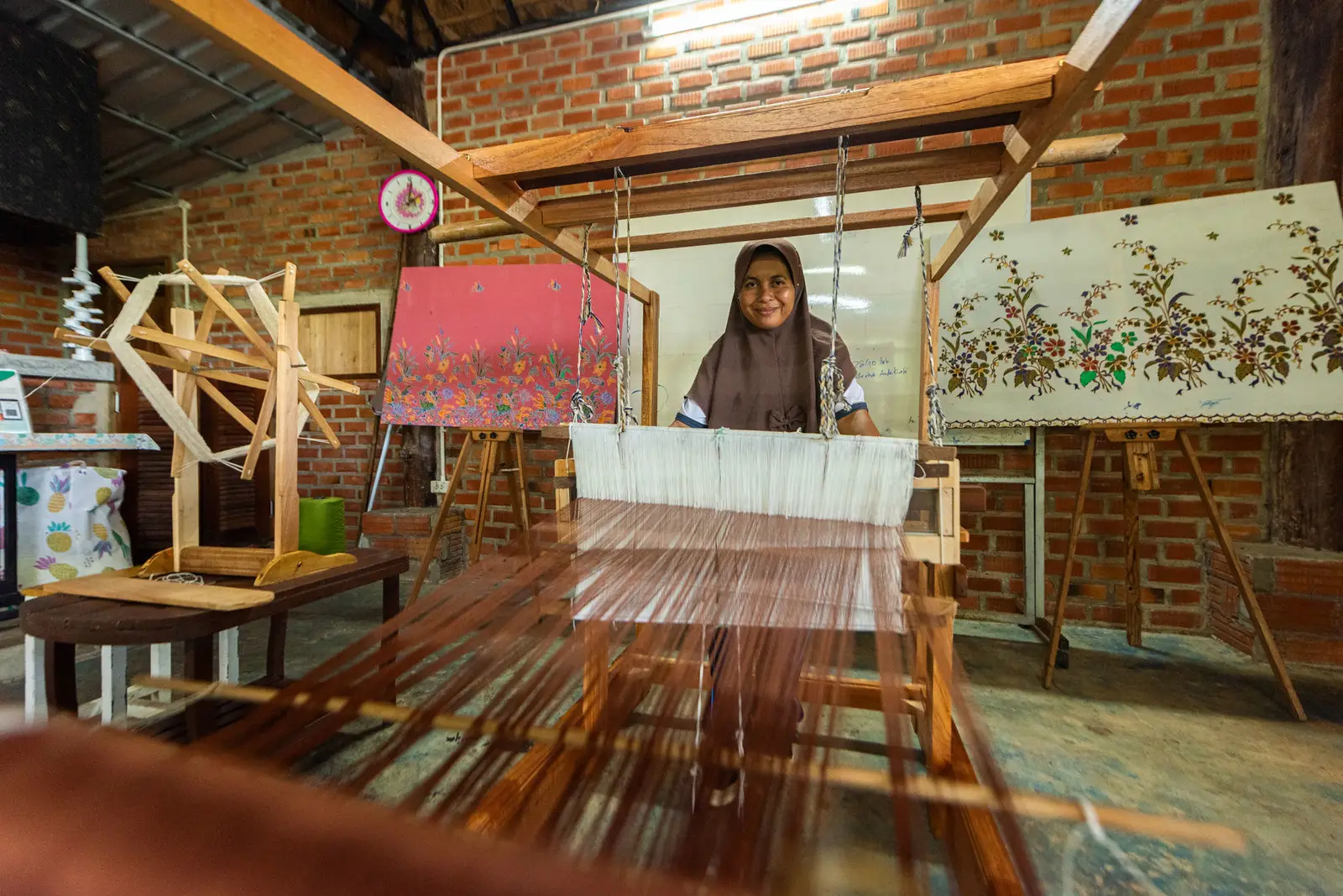
- Preservation of cultural heritage, Guests learn batik printing, rubber tapping and southern Thai cooking from community members.
- Promotes local businesses, Every baht goes directly to village residents and producers.

Commercial
- Certification, Winner of the Responsible Thailand Awards.
In brief
- Price bracket
- £
- Type of property
- Tour
- No. of rooms
- Homestays available
- Facilities
- Tours desk, Airport transfer
- Activities
- Mangrove tours, Herbal balm workshops, Southern Thai cooking class, Village tours, Cultural visit
- Setting
- Coastal · Village
Best time to visit
- Jan
- Feb
- Mar
- Apr
- May
- Jun
- Jul
- Aug
- Sep
- Oct
- Nov
- Dec
The best time to visit is during the cool, dry season from November to February.
Kids
Family-friendly, with hands-on activities suitable for children and adults.
Accessibility
Involves boat trips, mangrove cruising and walking on tidal sandbanks, not step-free; no formal accessibility statement is published

Phuket, Thailand
Guide price · £ <£100 · ££ £100–300 · £££ £300–800 · ££££ £800+ pp / night
Planning your journey?
Download our free 38-page guide to Bangkok and southern Thailand, with slow-travel itineraries, eco-stays and community-led experiences.
Get the free guide