
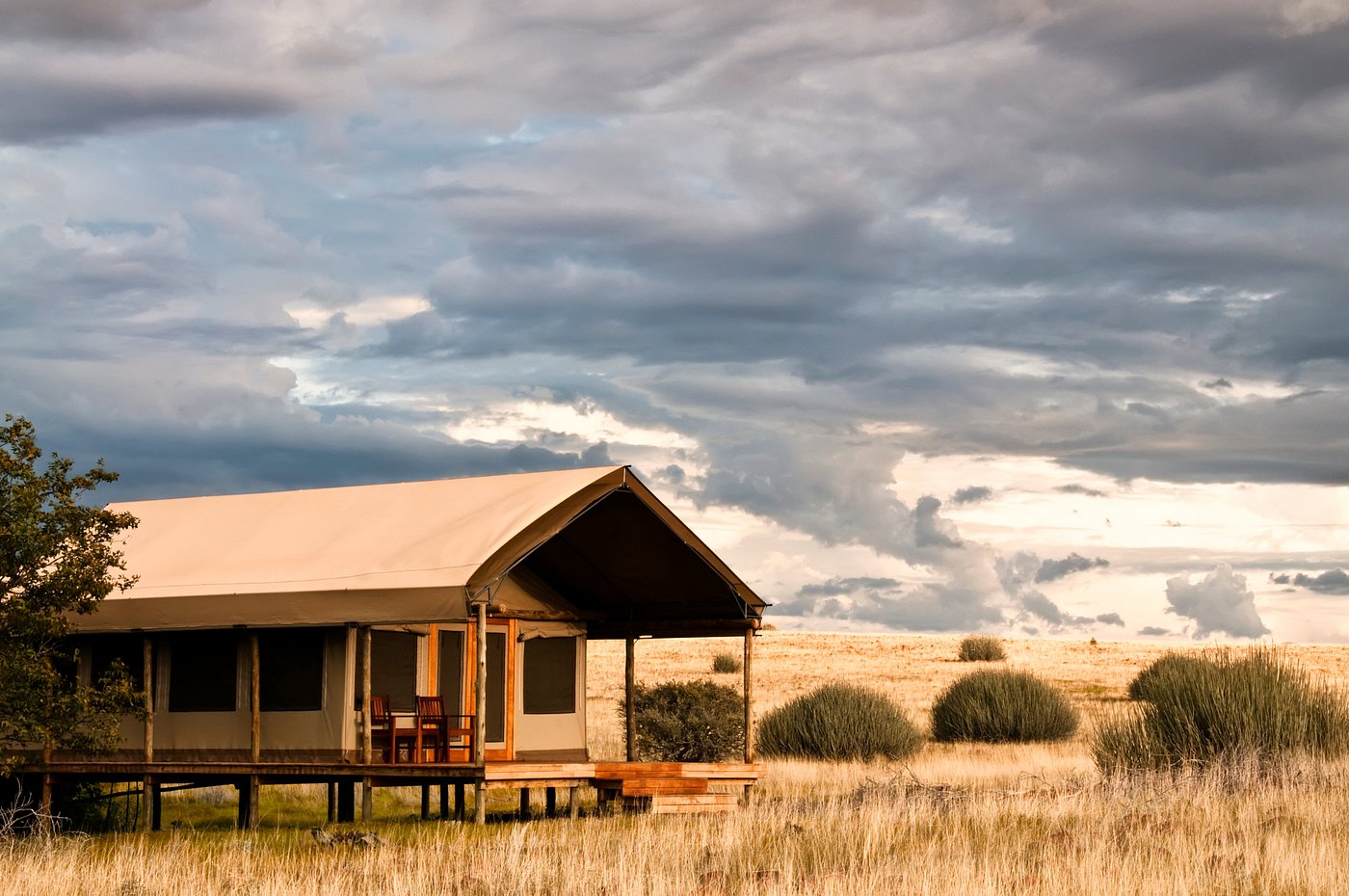
Desert Rhino Camp
Palmwag, Namibia
- Rural
- Wildlife
- Luxury
- Safari
- Hiking


'%20font-feature-settings='normal'%20font-variant-alternates='normal'%20font-variant-caps='normal'%20font-variant-ligatures='normal'%20font-variant-numeric='normal'%20font-variant-position='normal'%20isolation='auto'%20mix-blend-mode='normal'%20paint-order='fill%20markers%20stroke'%20shape-padding='0'%20text-decoration-color='rgb(0,0,0)'%20text-decoration-line='none'%20text-decoration-style='solid'%20text-indent='0'%20text-orientation='mixed'%20text-transform='none'%20white-space='normal'/%3e%3c/svg%3e)
'%20stroke-width='1.9'%20stroke-linecap='round'%20stroke-linejoin='round'%3e%3c!--%20head%20--%3e%3ccircle%20cx='53.5'%20cy='20'%20r='6.2'/%3e%3c!--%20torso%20--%3e%3cpath%20d='M52.6%2027.6%20C50.6%2036.4%2048.4%2044.8%2046.4%2052.6'/%3e%3c!--%20backpack%20--%3e%3cpath%20d='M45.6%2031.4%20C41.6%2032.4%2038.6%2034.8%2037.8%2038.6%20C37%2042.6%2037.8%2046.6%2039.4%2049.4'/%3e%3cpath%20d='M45.2%2034.6%20C42.4%2035.6%2040.6%2037.4%2040.2%2039.8'/%3e%3c!--%20front%20arm%20to%20pole%20--%3e%3cpath%20d='M51.4%2033.4%20C56.4%2036.6%2061.6%2039.6%2066.4%2041.8'/%3e%3c!--%20back%20arm%20--%3e%3cpath%20d='M49.6%2036.6%20C47.4%2040.6%2045.6%2044.2%2044.6%2047.4'/%3e%3c!--%20walking%20pole%20--%3e%3cpath%20d='M69.2%2026.6%20C70.4%2045.2%2071.6%2063.8%2072.6%2082.4'/%3e%3c!--%20front%20leg%20--%3e%3cpath%20d='M46.4%2052.6%20C51.6%2057.4%2056.4%2061.6%2058.6%2066.4%20C60.4%2070.6%2060.6%2076.4%2060.4%2081.6'/%3e%3c!--%20back%20leg%20--%3e%3cpath%20d='M46.4%2052.6%20C42.4%2057.6%2038.4%2062.6%2035.2%2067.8%20C32.6%2072%2030.6%2076.6%2029.4%2081.4'/%3e%3c!--%20boots%20--%3e%3cpath%20d='M60.4%2081.6%20C62.6%2082.6%2065%2083%2067.4%2082.8'/%3e%3cpath%20d='M29.4%2081.4%20C31.8%2082.6%2034.4%2083.2%2037%2083'/%3e%3c!--%20ground%20--%3e%3cpath%20d='M22%2087.4%20C36%2086.4%2050%2086.2%2064%2086.6'%20stroke-width='1.5'%20opacity='0.65'/%3e%3cpath%20d='M70%2087%20C74.4%2087%2078.4%2087.2%2082%2087.6'%20stroke-width='1.5'%20opacity='0.65'/%3e%3c/svg%3e)
Track black rhino on foot in the beautiful landscapes of Damaraland
Prolonged drought and rampant poaching had reduced Damaraland's black rhino population to fewer than 40 animals by 1982. To combat this, Save the Rhino Trust, three community conservancies and Wilderness Safaris came together to create Desert Rhino Camp and, in turn, cut poaching in the area by 80 per cent and helped build the largest free-roaming population of black rhino left anywhere outside a national park.
The camp sits inside the 583,000-hectare Palmwag Concession, rebuilt in 2024 into six wood-and-canvas suites on raised decks, each with a cushioned outdoor platform doubling as a star bed. Solar panels supply all the power, solar geysers heat the water, and reverse osmosis filtration removes the need for a single plastic bottle.
Save the Rhino Trust's own community trackers, most of them Damara, pick up fresh spoor at dawn and lead guests on foot for hours across rock and scrub until they find a rhino. Desert-adapted elephant, Hartmann's mountain zebra, gemsbok and the occasional desert lion share the same 583,000 hectares, and the plains themselves are scattered with welwitschia, a plant that can live for over a thousand years and grows nowhere outside this stretch of coastal Namibia and Angola.
Sustainability
Climate & conservation
- Partnership with Save the Rhino Trust to protect free-roaming black rhino
- Ecosystem preservation / wildlife protection, This 21-year collaboration has seen the local black rhino population grow, while associated poaching levels have been reduced by 80%.
- Powered entirely by a photovoltaic solar system
- Low-impact transport and activities, Activities are focused on low-impact experiences such as tracking desert-adapted rhino on foot with official monitors.
- Light-footprint suites on the vast Palmwag Concession

Community & culture
- A 21-year conservation partnership with three community conservancies
- Grew from a simple field station into a community tourism model
- Employs local rhino monitors as guardians of the wildlife
- Sharing local stories and traditions from Damaraland

Commercial
- A portion of every stay funds the Save the Rhino Trust
- Finalist in the 2022 Sustainable Development Awards
Sustainable Development Goals
- Quality education (SDG 4)
- Clean water and sanitation (SDG 6)
- Decent work and economic growth (SDG 8)
- Responsible consumption and production (SDG 12)
- Climate action (SDG 13)
- Life on land (SDG 15)
In brief
- Price bracket
- ££££
- Type of property
- Tented camp
- No. of rooms
- Small (≤10 rooms)
- Max guests per room
- Up to 4 guests
- Facilities
- Pool, Restaurant
- Activities
- Safari, Hiking, Birdwatching
- Setting
- Rural · Desert
Best time to visit
- Jan
- Feb
- Mar
- Apr
- May
- Jun
- Jul
- Aug
- Sep
- Oct
- Nov
- Dec
The cooler, dry season (May–Oct) is best for pleasant temperatures and wildlife viewing.
Kids
Families are welcome, with a dedicated family unit available.
Accessibility
The camp's elevated suites and main areas are reached by stairs and the surrounding desert terrain is rugged.
'%3e%3cg%20transform='translate(60,60)'%20fill='none'%20stroke='%23676D41'%20stroke-linecap='round'%20stroke-linejoin='round'%3e%3c!--%20hairline%20stamp%20ring%20+%20fine%20dotted%20ring%20--%3e%3ccircle%20cx='0'%20cy='0'%20r='54'%20stroke-width='0.9'/%3e%3ccircle%20cx='0'%20cy='0'%20r='49'%20stroke-width='0.7'%20stroke-dasharray='0.5%203.6'%20opacity='0.9'/%3e%3c!--%20globe%20--%3e%3ccircle%20cx='0'%20cy='0'%20r='38'%20stroke-width='0.9'/%3e%3cg%20clip-path='url(%23stampGlobeClip)'%3e%3c!--%20graticule,%20very%20faint%20--%3e%3cpath%20d='M-38%200%20H38'%20stroke-width='0.45'%20opacity='0.5'/%3e%3cpath%20d='M-33%20-19%20C-16%20-14%2016%20-14%2033%20-19'%20stroke-width='0.45'%20opacity='0.4'/%3e%3cpath%20d='M-33%2019%20C-16%2024%2016%2024%2033%2019'%20stroke-width='0.45'%20opacity='0.4'/%3e%3cpath%20d='M0%20-38%20C-15%20-19%20-15%2019%200%2038'%20stroke-width='0.45'%20opacity='0.4'/%3e%3cpath%20d='M0%20-38%20C15%20-19%2015%2019%200%2038'%20stroke-width='0.45'%20opacity='0.4'/%3e%3c!--%20land:%20hairline%20coastlines,%20globe%20centred%20on%20Africa%20--%3e%3cg%20stroke-width='0.85'%3e%3c!--%20Africa%20--%3e%3cpath%20d='M-22.1%20-3.5%20L-20.7%20-8.0%20L-13.5%20-16.1%20L-5.3%20-16.2%20L2.8%20-13.0%20L7.3%20-12.5%20L14.5%20-0.6%20L19.1%20-1.1%20L13.6%208.0%20L12.6%2016.8%20L9.1%2021.0%20L2.7%2027.3%20L-1.1%2027.3%20L-5.0%2018.9%20L-7.2%208.4%20L-9.2%205.1%20L-17.8%204.4%20L-20.5%201.4%20Z'/%3e%3c!--%20Madagascar%20--%3e%3cpath%20d='M15.6%2013.4%20L17.2%2016.6%20L16.4%2020.4%20L14.6%2018.2%20Z'/%3e%3c!--%20Europe%20--%3e%3cpath%20d='M-14.7%20-16.9%20L-13.3%20-20.8%20L-10.1%20-23.3%20L-7.4%20-24.2%20L-5.6%20-27.5%20L-3.2%20-27.4%20L-0.8%20-25.9%20L0.3%20-28.2%20L3.3%20-28.3%20L7.5%20-26.2%20L11.9%20-23.0%20L9.8%20-20.5%20L7.3%20-19.2%20L4.0%20-18.5%20L1.6%20-16.7%20L-2.5%20-17.9%20L-3.7%20-20.8%20L-8.1%20-19.8%20Z'/%3e%3c!--%20Asia%20--%3e%3cpath%20d='M11.9%20-23.0%20L18.0%20-25.4%20L27.0%20-25.0%20L34.5%20-20.0%20L36.4%20-12.0%20L33.2%20-8.5%20L29.0%20-9.5%20L25.5%20-6.0%20L23.0%20-9.5%20L19.5%20-9.0%20L16.5%20-12.0%20L14.5%20-0.6%20L10.0%20-12.0%20L9.7%20-19.4%20Z'/%3e%3c!--%20Australia%20edge%20--%3e%3cpath%20d='M33.5%2014.0%20L36.0%2017.5%20L34.0%2022.0%20L30.5%2020.0%20Z'/%3e%3c/g%3e%3c/g%3e%3c/g%3e%3c/g%3e%3c/svg%3e)
Palmwag, Namibia
Guide price · £ <£100 · ££ £100–300 · £££ £300–800 · ££££ £800+ pp / night