
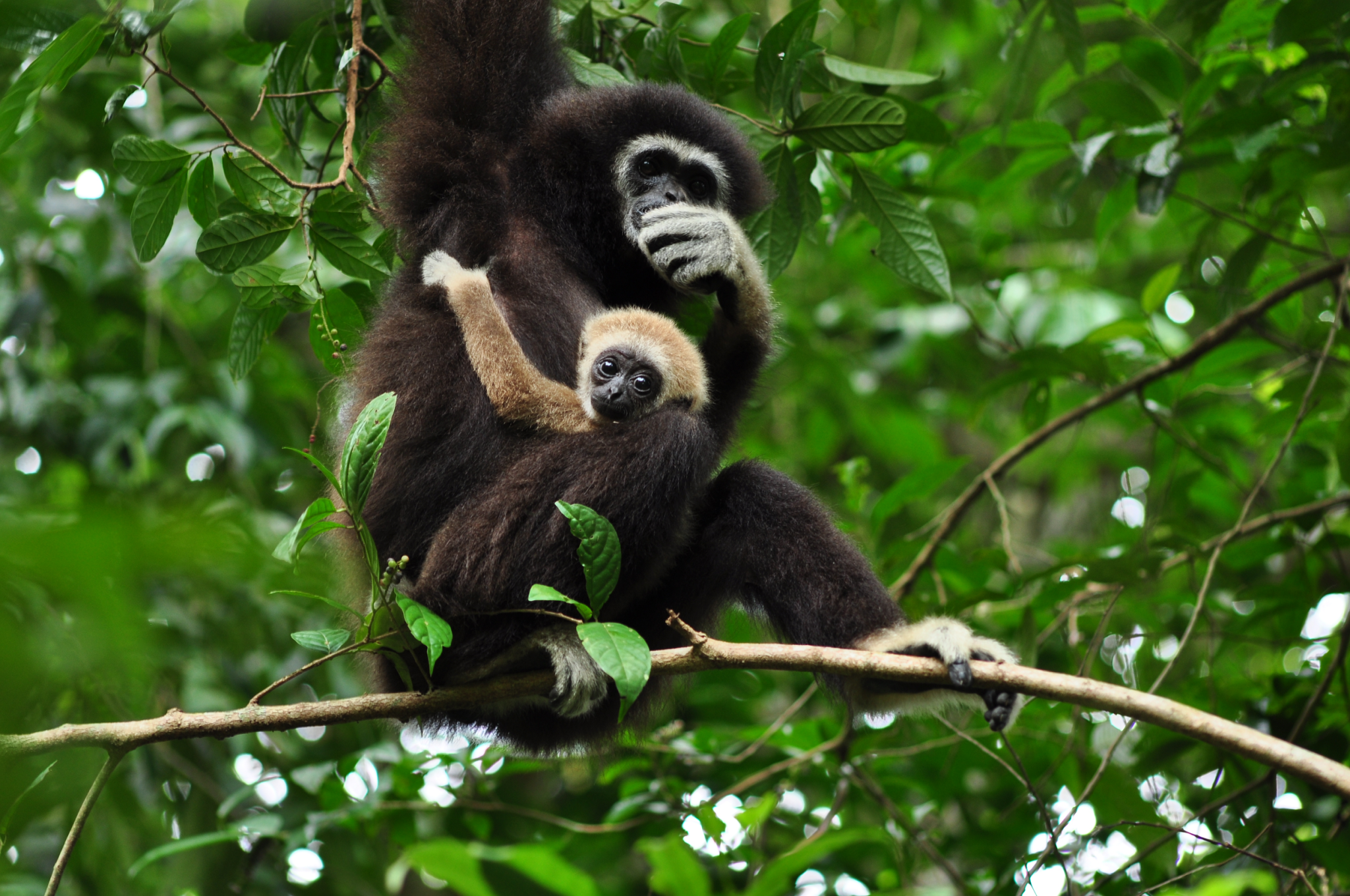
Gibbon Rehabilitation Project
Phuket, Thailand
- Coast
- Forest
- Wildlife
- Culture
- Photography




Guided tours to learn about rescued and rehabilitated gibbons in Phuket
The Gibbon Rehabilitation Project is a wildlife sanctuary in the forest around Bang Pae waterfall, in Phuket, Thailand, rescuing and reintroducing gibbons taken from the wild for tourism. It's the only facility in the world with a meaningful track record of releasing rehabilitated gibbons back into the wild, after its first successful release in 2002 followed years of trial and error. Phuket's own wild gibbon population was poached to extinction roughly 40 years ago, largely to supply the tourist photo trade, and the project works to repopulate the island's last remaining rainforest, Khao Phra Thaeo, with descendants of animals rescued from that same trade. Around 400 gibbons have passed through the project since it was founded in 1992, with roughly 100 released and more than 60 still in care, some too physically or psychologically damaged to ever go back.
Visitors watch from at least two metres away, through bars, with no touching, feeding or flash photography. This is a working rehabilitation centre, not a photo opportunity, and daily visitor numbers are capped at 36. Slow lorises rescued alongside the gibbons can never be released at all because their teeth are typically pulled or filed down by former owners to prevent their mildly venomous bite, leaving them unable to survive independently.
Sustainability

Climate & conservation
- Rescuing and rehabilitating endangered gibbon species
- Repopulating gibbons in the rainforests of Phuket after local extinction

Community & culture
- Educating visitors about gibbon rehabilitation through guided tours
- Combating the threat of poaching and the illegal wildlife trade

Commercial
- A dedicated gibbon project operating since 1992
- Protecting species listed as Endangered by IUCN and CITES Appendix I
In brief
- Price bracket
- £
- Max guests per room
- Day visits only
- Activities
- Guided tours, Wildlife viewing, Educational talks
- Setting
- Coastal · Forest
Best time to visit
- Jan
- Feb
- Mar
- Apr
- May
- Jun
- Jul
- Aug
- Sep
- Oct
- Nov
- Dec
Visit during the dry season from November to March for the best weather.
Kids
Families welcome, all ages
Accessibility
Located within a national park, the terrain may be uneven; specific access details are not provided.

Phuket, Thailand
Guide price · £ <£100 · ££ £100–300 · £££ £300–800 · ££££ £800+ pp / night
Planning your journey?
Download our free 38-page guide to Bangkok and southern Thailand, with slow-travel itineraries, eco-stays and community-led experiences.
Get the free guide