
Milgis Trust
Samburu, Kenya
- Mountains
- Rural
- Wildlife
- Culture
- Nature


Camel treks and cultural immersion in Kenya’s northern wilderness
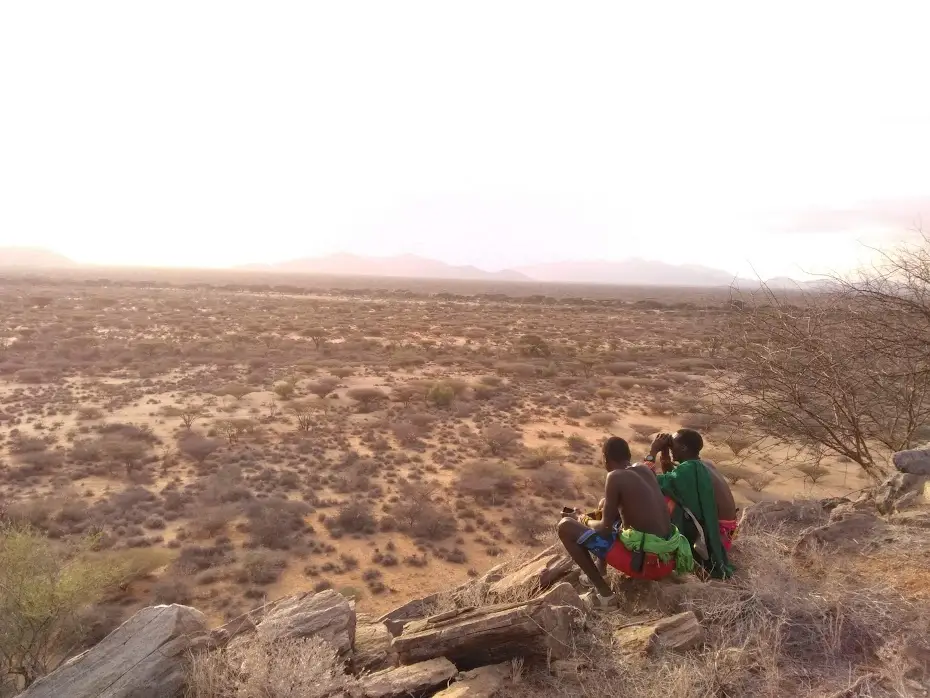
The Milgis Trust is a community-run conservation organisation protecting wildlife and pastoralist lands across the Matthews Range and Ndoto Mountains of northern Kenya. The Milgis Trust hosts camel-supported walking safaris, territory that climbs to almost 9,000 feet out of semi-arid country and is home to Samburu and Rendille pastoralist communities. The Trust is based at Lkanto hill, where the Laana Nikan and Parsaloi luggas meet to form the Milgis Lugga, a seasonal underground river that sustains people and wildlife across the region, and conservationist Helen Douglas-Dufresne, known locally as Mama Helen, has led walking safaris here for more than three decades.
A camel safari involves walking on foot with a Samburu crew, camels carrying the supplies, through country with no roads or lodges and a real chance of encountering elephant or Grevy's zebra. The Trust employs 29 uniformed scouts and 32 local informers recruited from surrounding communities to monitor poaching and illegal logging, work funded by the safaris, alongside water projects and schools for the families who share this land with the wildlife.
Sustainability

Climate & conservation
- Conserving the 6,000 square kilometre Milgis ecosystem
- Traditional camel treks into the Ndoto Mountains
- Traditional Samburu manyattas from local mud, sticks and grass
- Each manyatta is equipped with a solar-powered light to reduce reliance on fossil fuels
- Private bathrooms with composting toilets and bucket showers

Community & culture
- Community-based conservation in the Samburu heartlands
- Community-led wildlife patrols to protect elephants
- Employing local Samburu people as guides and wildlife scouts
- Supporting Samburu nomadic pastoralist traditions
- Funds projects, The trust supports community-managed water projects that visitors can learn about during their stay.
- Support is provided to local eco-schools within the Milgis ecosystem
- Putting the basic needs of the local community first

Commercial
- Reinvesting tourism funds to conserve the Milgis ecosystem
- Visitor stays directly fund local eco-schools and water projects
In brief
- Max guests per room
- Each manyatta has a comfortable bed, suggesting they sleep one or two guests.
- Activities
- Camel treks, Wildlife tracking, Cultural visits, Hiking
- Setting
- Desert · Mountains
Best time to visit
- Jan
- Feb
- Mar
- Apr
- May
- Jun
- Jul
- Aug
- Sep
- Oct
- Nov
- Dec
The main dry season is July–October, with short rains from November to January.
Accessibility
The remote, rugged terrain includes desert, rocky hills and mountains, so is unsuitable for those with mobility issues.
