
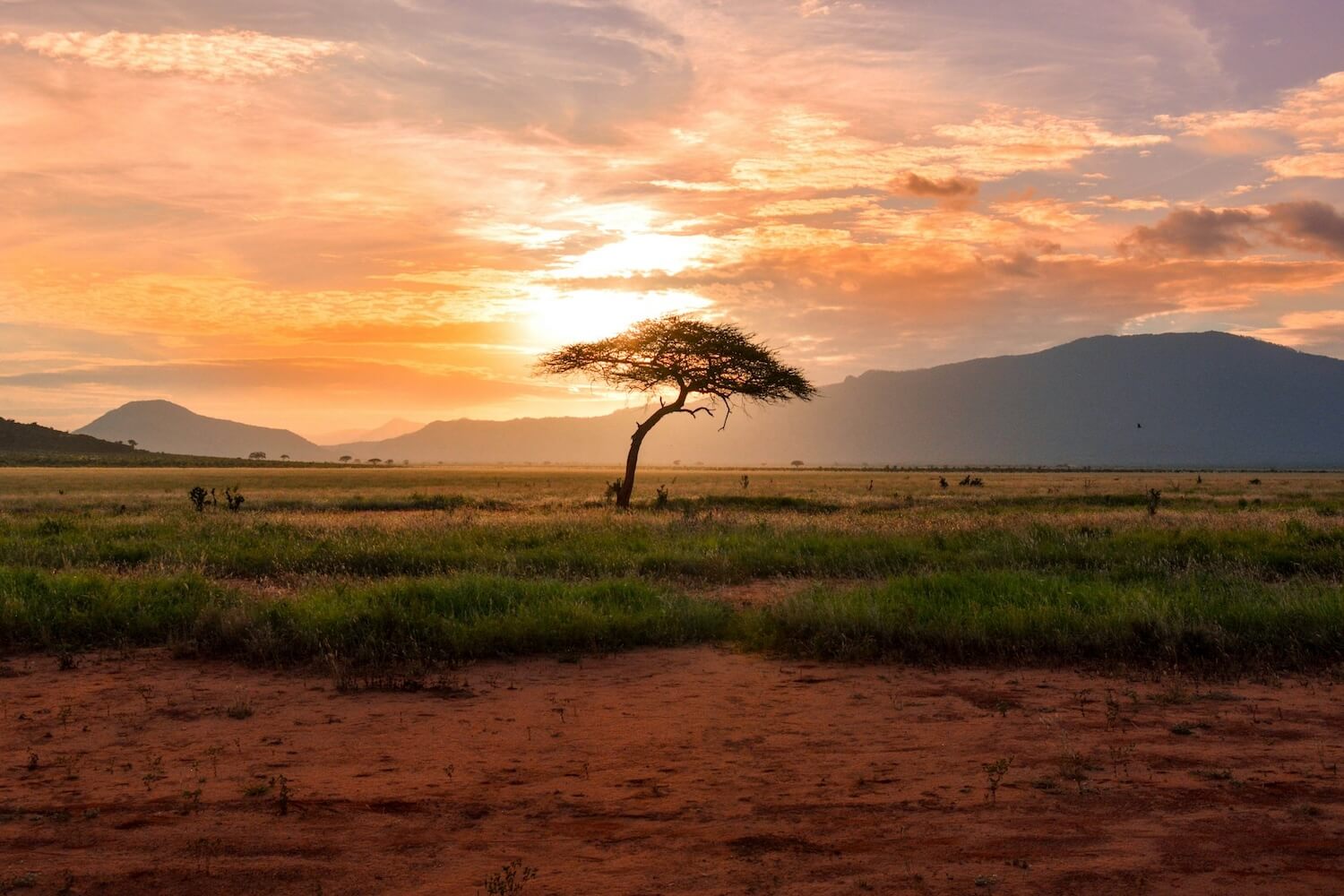
Some of the best community safaris in Africa
Fifteen African safari camps and conservancies, from a Samburu-run elephant sanctuary to a Xhosa village on South Africa's Wild Coast, where the wildlife, the guiding and the profits all stay in community hands.
Across Africa, community and Indigenous-owned conservancies and lodges are reshaping the safari experience, offering a more immersive, authentic way to travel as well as helping to protect biodiversity and provide livelihoods for local people. Here are 15 exceptional community conservancies and lodges across Africa that are redefining the safari experience.
What is a community conservancy?
Community conservancies are areas of land that are owned, managed, or co-managed by local communities. They often operate in buffer zones around national parks or on land that’s been voluntarily set aside for conservation. Unlike national parks, which are typically owned and managed by government authorities and have stricter regulations, community conservancies are governed by the very people who live on or near the land. This gives local communities a direct stake in conservation efforts and ensures that the benefits, such as tourism revenue, stay close to home. Tourism helps fund ranger salaries, schools, healthcare, and sustainable livelihoods. These conservancies are among the most successful examples of conservation working hand-in-hand with development. They’re often less crowded than mainstream safari hotspots and offer a richer, more personal connection to place and people.
Why stay on a community conservancy or lodge?
African safaris led by local communities ensure that local people have full control over how their land is managed, allowing them to directly influence conservation efforts and tourism initiatives. By choosing an African safari led by local communities, you’re supporting a more equitable and self-sustaining approach to conservation, where the people living closest to the land are the ones protecting it. This empowers local communities economically and socially, creating long-term benefits for both people and wildlife.
Tourism revenue from community safaris goes far beyond guest services. It funds essential initiatives like anti-poaching units, wildlife monitoring programs, and habitat protection. This money plays a critical role in safeguarding endangered species, such as elephants and rhinos, while supporting reforestation and ecosystem restoration projects, so by staying, you are directly contributing to the protection and preservation of Africa’s biodiversity. A stay at a community lodge or conservancy also offers an authentic cultural exchange. You’ll not only observe wildlife but gain a deeper understanding of the people whose land you’re on. Talk with local guides about their stories, traditions, and the challenges they face in balancing conservation with everyday life.
Community conservancies offer a more intimate and exclusive safari experience, often with limited visitor numbers. This allows for a quieter, more personalised experience, to explore without the crowds typically found in national parks or protected areas. One of the standout advantages of staying on a conservancy is the opportunity to go on walking safaris, something not allowed in many protected areas.
Reteti Elephant Sanctuary, Kenya
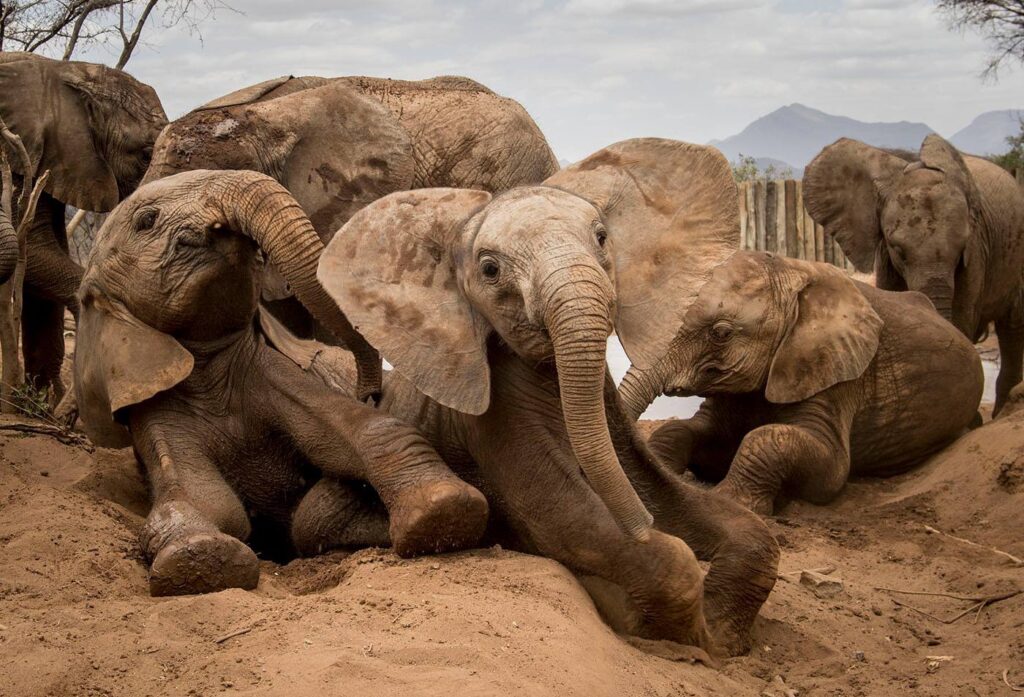
Reteti Elephant Sanctuary, located in northern Kenya's Namunyak Wildlife Conservancy, is Africa's first community-owned elephant sanctuary. Established in 2016, it was founded by the indigenous Samburu people with the mission to rescue, rehabilitate, and rewild orphaned and abandoned elephant calves. The visitor centre offers immersive experiences, including guided tours and opportunities to learn about the sanctuary's work and the Samburu culture. All elephant keepers are local Samburu community members who receive formal training in elephant care and rehabilitation. This model not only ensures culturally relevant conservation practices but also provides employment opportunities, strengthening the community's economic resilience. Reteti's operations are supported through innovative initiatives like the Milk to Market Programme, which involves local women supplying goat milk to feed the elephants. In 2024, this programme engaged 1,280 women across 21 villages, generating over $398,000 in revenue for the community.
Ol Lentille Conservancy, Kenya
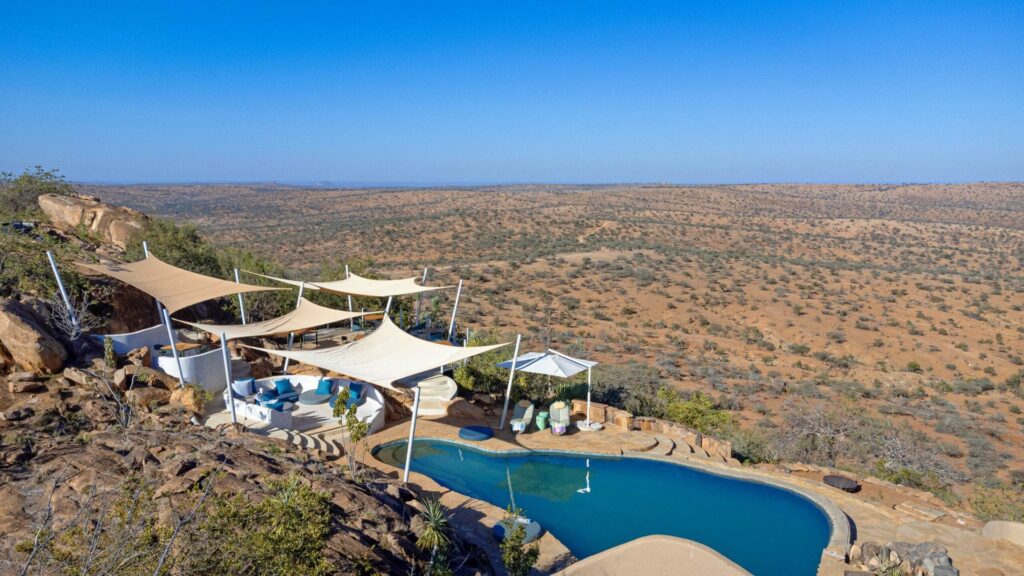
Tucked away in Kenya's Laikipia region, Ol Lentille is a groundbreaking conservation project that partners with the Maasai and Samburu communities to manage 40,000 acres of rugged hills and valleys and run community-led safaris. The lodge at Ol Lentille has private villas with gasp-worthy panoramic views, plus tailored experiences that bring guests into the heart of this extraordinary landscape such as visiting schools and health clinics funded by the conservancy or accompanying local rangers on patrols to monitor wildlife. Revenue from tourism supports education, healthcare, and livelihoods for over 10,000 local people. The wildlife itself is thriving here. Expect to see elephants, leopards, wild dogs, and more, all in an uncrowded setting far from the tourist trail.
Sabyinyo Community Livelihoods Association (SACOLA), Rwanda
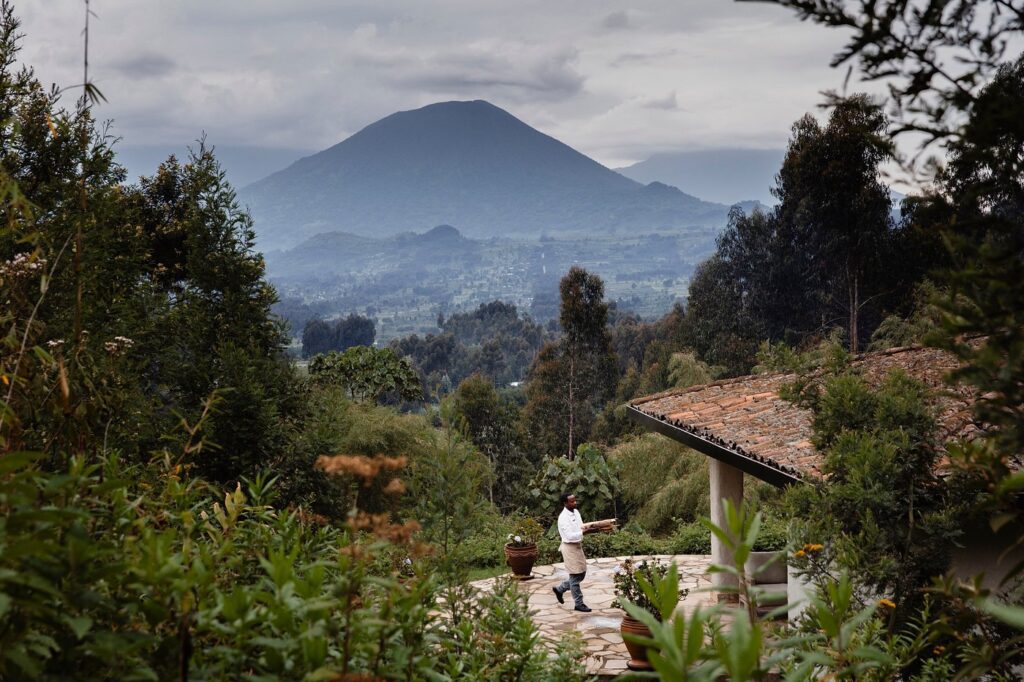
On the edge of Volcanoes National Park lies Sabyinyo Silverback Lodge, Rwanda’s first community-owned lodge, operated by the SACOLA trust. This lush, mist-shrouded region is famous for its mountain gorillas, and staying here offers guests a front-row seat to one of the world’s most extraordinary wildlife experiences. Sabyinyo has a direct positive impact on the surrounding communities. All profits from the lodge go back into SACOLA, funding projects that include building schools, supporting reforestation, and helping farmers develop alternative incomes. Over 5,000 households have benefited, showing how high-end tourism can drive meaningful change. The lodge itself is intimate and elegant, with volcanic stone cottages, roaring fireplaces, and sweeping views of the Virunga volcanoes. Local staff and guides provide warm Rwandan hospitality, and guests are encouraged to visit community initiatives supported by SACOLA.
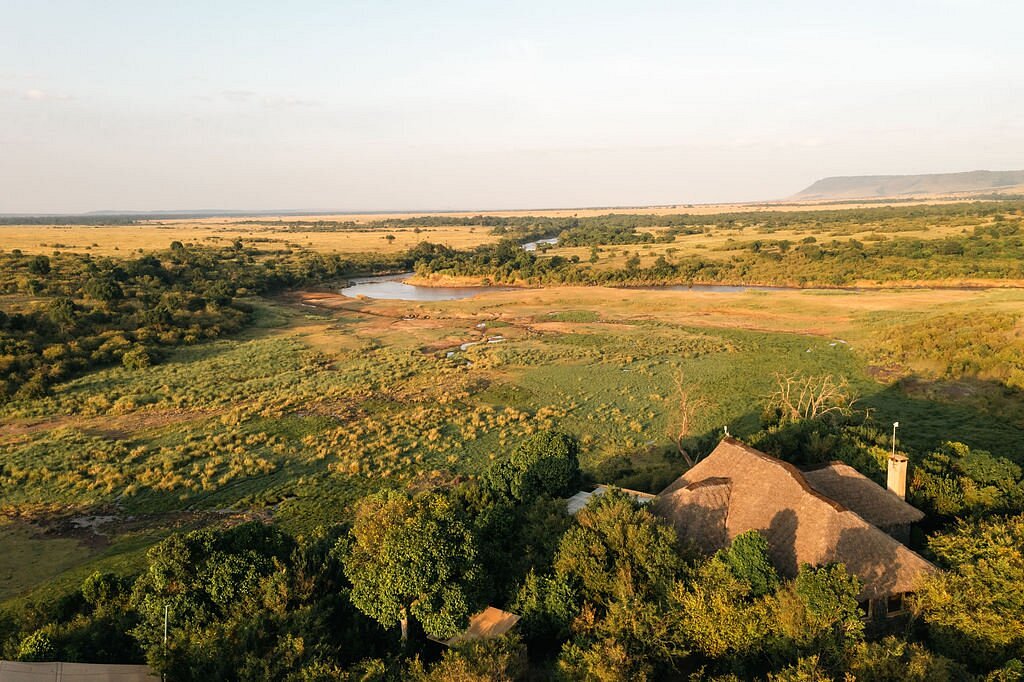
Tangulia Mara, Kenya
Tangulia Mara is the first Maasai-owned and run safari camp in the Maasai Mara. Perched on the banks of the Mara River with sweeping views across the iconic plains, this camp offers a unique perspective on one of Africa’s most famous wildlife areas. Co-founded by Jackson Looseyia, a renowned Maasai guide and BBC presenter, Tangulia marries deep-rooted cultural knowledge with superb wildlife viewing. Game drives in the surrounding Mara North Conservancy and Masai Mara National Reserve offer opportunities to see the Big Five and witness the annual wildebeest migration. Be welcomed like family and leave with a deeper understanding of Maasai traditions, from storytelling and music to conservation practices passed down through generations. The camp itself is understated and elegant, with canvas tents and a relaxed, welcoming vibe. Tangulia employs and trains local Maasai, ensuring that tourism revenue remains within the community. It’s an inspiring example of Indigenous-led conservation and a powerful reminder that the people who have lived with wildlife for centuries are also its most effective protectors.
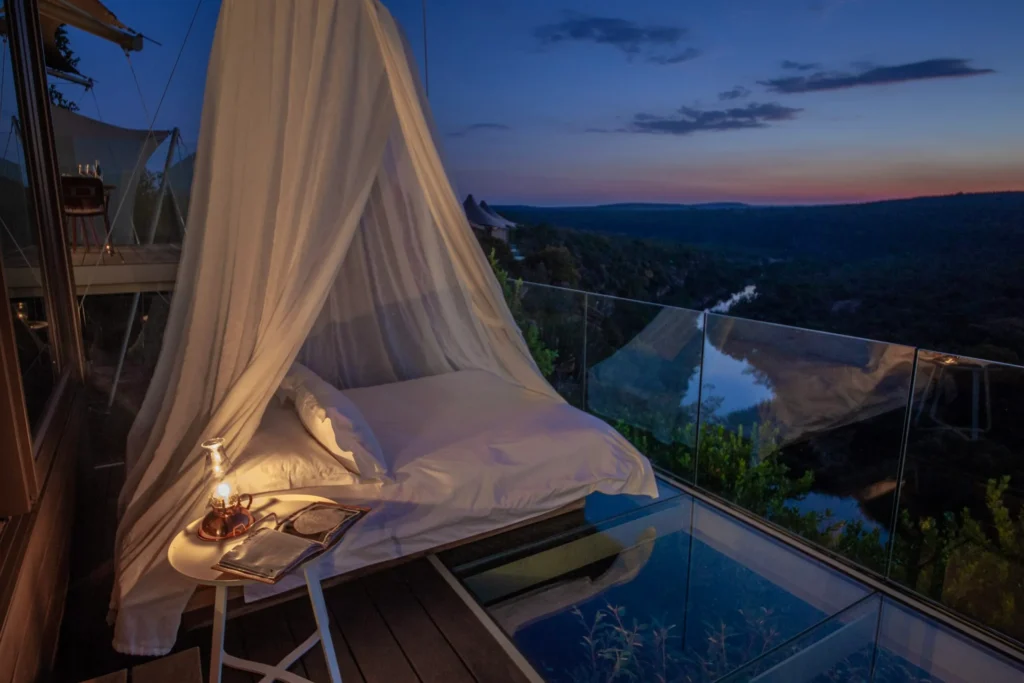
Lepogo Lodges, South Africa
Sitting on a dramatic cliff in the heart of the Lapalala Wilderness Reserve in Limpopo Province, Lepogo Lodges is one of Africa’s only entirely not-for-profit safari experiences. The reserve is co-managed with local communities and aims to return land to wildlife while creating sustainable opportunities for people who live nearby through tourism. All revenue from guests is reinvested into conservation and community projects, including education, healthcare, and job training initiatives. Lepogo’s flagship Noka Camp is a marvel of eco-luxury – solar-powered, meticulously designed, and built with a near-invisible footprint. Floor-to-ceiling glass walls give guests uninterrupted views of the flowing Palala River and the wildlife that gathers along its banks. Activities include game drives, bush walks, and immersive conservation experiences, such as tracking cheetahs or visiting anti-poaching units. With strong ties to surrounding villages, the lodge offers local employment, supports artisanal projects, and funds infrastructure improvements.
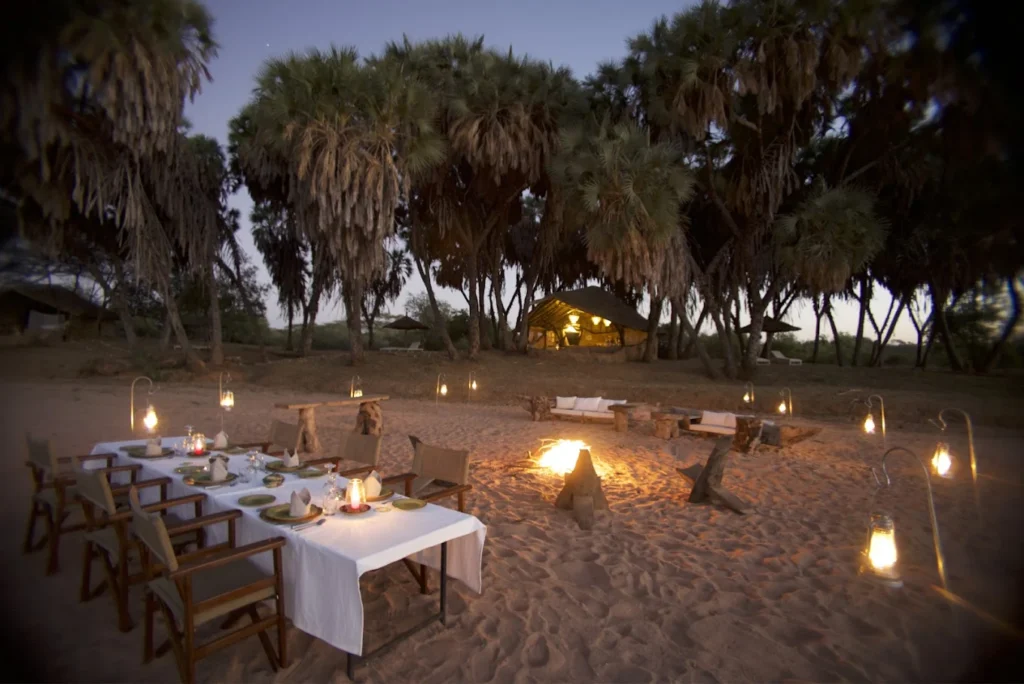
Saruni Rhino at Sera Conservancy, Kenya
In Kenya’s remote northern frontier sits one of Africa’s most pioneering conservation stories: Sera Community Conservancy. This vast, arid landscape was once devoid of wildlife due to poaching and conflict. But thanks to the leadership of the Samburu people and support from the Northern Rangelands Trust, the conservancy is now home to a growing population of critically endangered black rhinos, protected by the first community-owned rhino sanctuary in East Africa. Saruni Rhino is the only lodge where guests can track these awe-inspiring animals on foot, accompanied by expert rangers and local trackers. The lodge itself is intimate and unfussy, offering deep immersion in the rugged Samburu wilderness. Staying at Saruni Rhino directly supports local livelihoods and anti-poaching initiatives. All staff are Samburu, and tourism revenue funds education, healthcare, and water access projects. Guests also have the chance to visit nearby Reteti Elephant Sanctuary, another community-led conservation triumph.
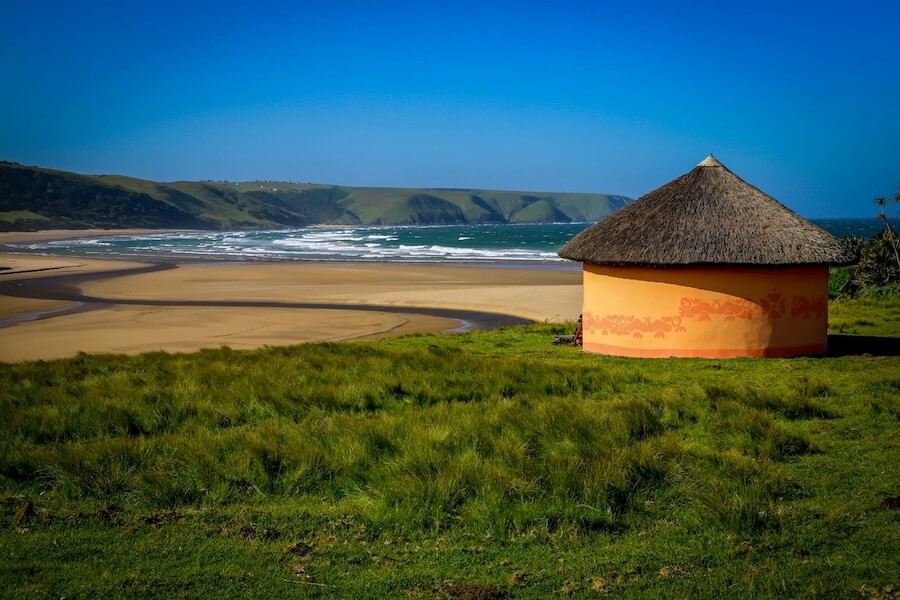
Bulungula Lodge, South Africa
Tucked away on South Africa’s Wild Coast, Bulungula Lodge is an off-grid eco-lodge, 100% owned and run by the Nqileni village, a Xhosa community that lives along a stretch of coastline as beautiful as it is remote. Getting here requires a bumpy ride and an open mind, but the reward is well worth it. Stay in colourful rondavels overlooking the ocean, feast on local dishes, and take part in an array of community-hosted activities: learn about traditional medicine, canoe with fishermen, try your hand at beadwork. Solar power, compost toilets, greywater systems, and a zero-tolerance policy for plastic pollution reflect its commitment to protecting the environment.
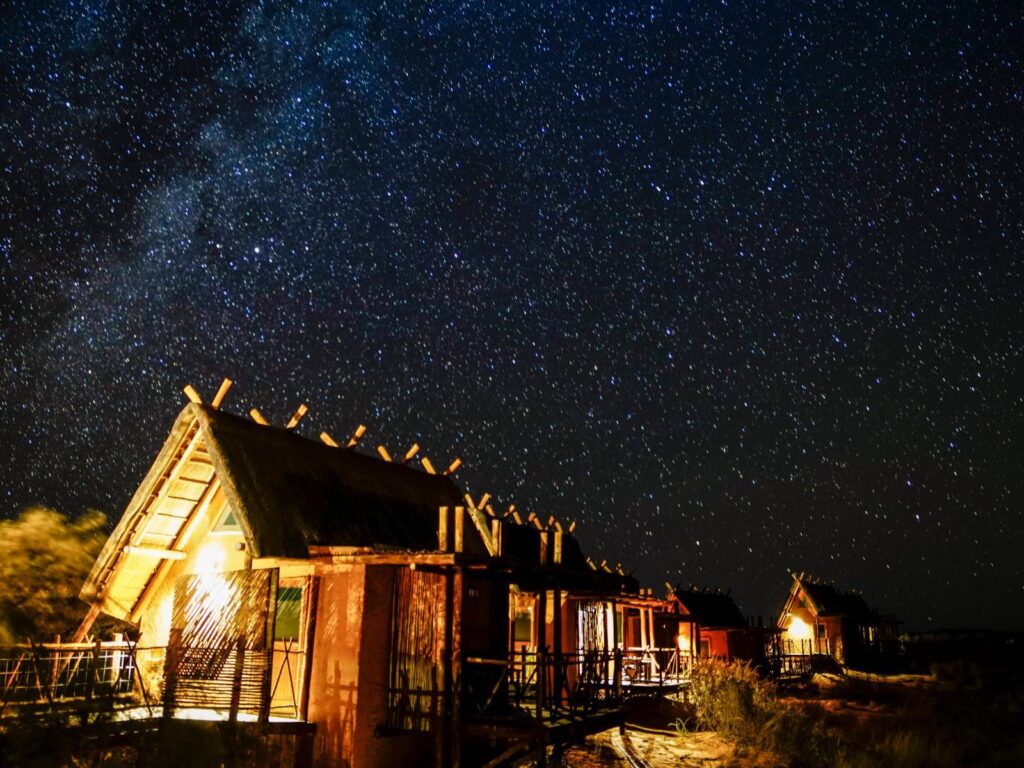
!Xaus Lodge, South Africa
In the heart of the Kgalagadi Transfrontier Park, !Xaus Lodge is owned and operated by the local San and Khoi communities. The lodge provides a unique opportunity to experience the desert landscape and wildlife of this remote region while supporting community development. The San and Khoi have long histories of living in the Kalahari, and through !Xaus Lodge, they now share their knowledge, culture, and heritage with visitors. The funds generated by the lodge help improve education, healthcare, and infrastructure in the area, ensuring that the local communities benefit directly from tourism. Enjoy comfortable accommodations in luxury chalets or traditional-style tents, with sweeping views of the surrounding Kalahari wilderness. The lodge’s location in a malaria-free area ensures a safe and peaceful retreat, offering the chance to spot wildlife such as lions, cheetahs, and various antelope species.
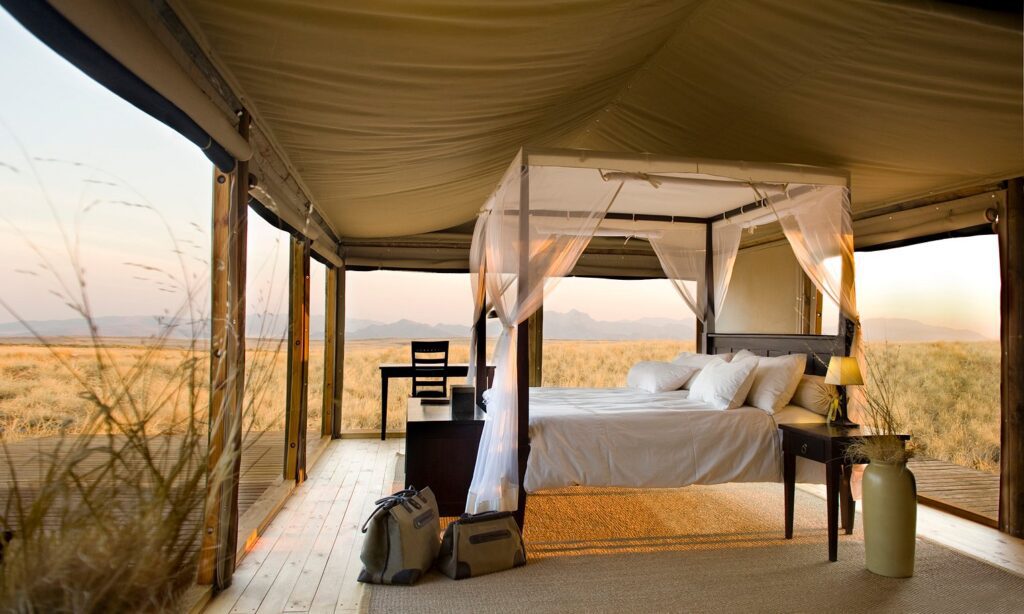
Wolwedans, Namibia
In the vast NamibRand Nature Reserve, where red dunes meet endless desert skies, Wolwedans offers a deeply considered model of purpose beyond profit. This collection of eco-lodges is built on land leased from the reserve by the Wolwedans Foundation, which works closely with the local Nama community to manage conservation, tourism, and training programmes. Stay in elegant desert camps, inspired by the beauty and silence of the Namib. Activities at Wolwedans include scenic drives, desert walks, and stargazing, but the real story here is community empowerment. The Wolwedans Foundation runs the Desert Academy – a hospitality training school that provides free education and career pathways for young Namibians, many of whom go on to work at the lodges. The reserve itself is a model of private conservation, where wildlife is slowly returning and tourism funds rewilding efforts. There’s no Big Five here – the experience is about space and stillness.
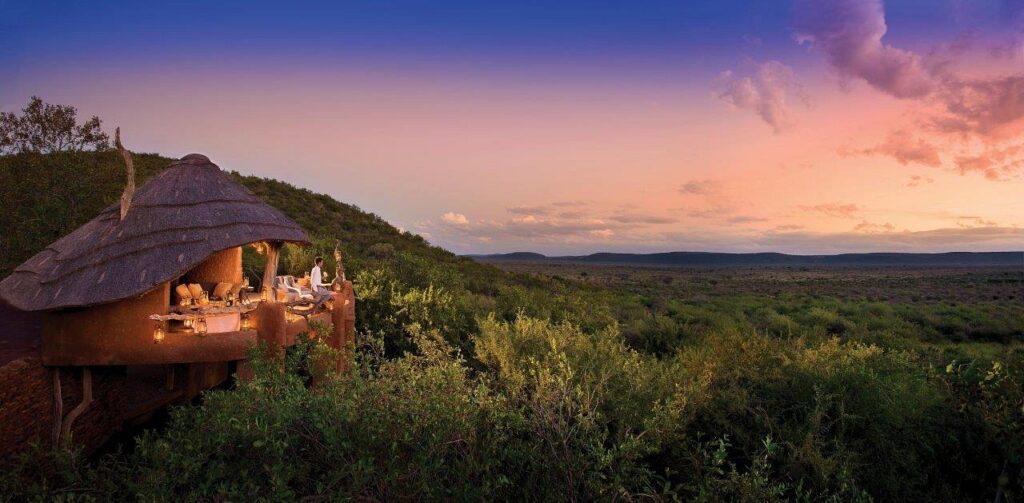
Madikwe Game Reserve, South Africa
This malaria-free Big Five reserve spans over 75,000 hectares and is a shining example of a successful public-private-community partnership. It was created to transform degraded farmland into a thriving wildlife sanctuary while providing economic opportunities for local communities. The revenue generated from tourism helps fund local development projects, including schools and healthcare. The experience at Madikwe is diverse and immersive. Go on twice-daily game drives with expert rangers, looking for elephants, lions, leopards, rhinos, and wild dogs (Madikwe is one of the best places in southern Africa to see these rare predators). Because it’s a private reserve, activities not allowed in national parks, such as off-road driving for special sightings, night drives, and walking safaris, are permitted here. Lodges within Madikwe range from family-friendly safari camps to luxurious, exclusive-use villas. Many are community-owned or co-managed, ensuring tourism directly supports local development. Expect stylish suites with private decks and plunge pools, warm hospitality, and opportunities to learn about the area's ecology and culture.
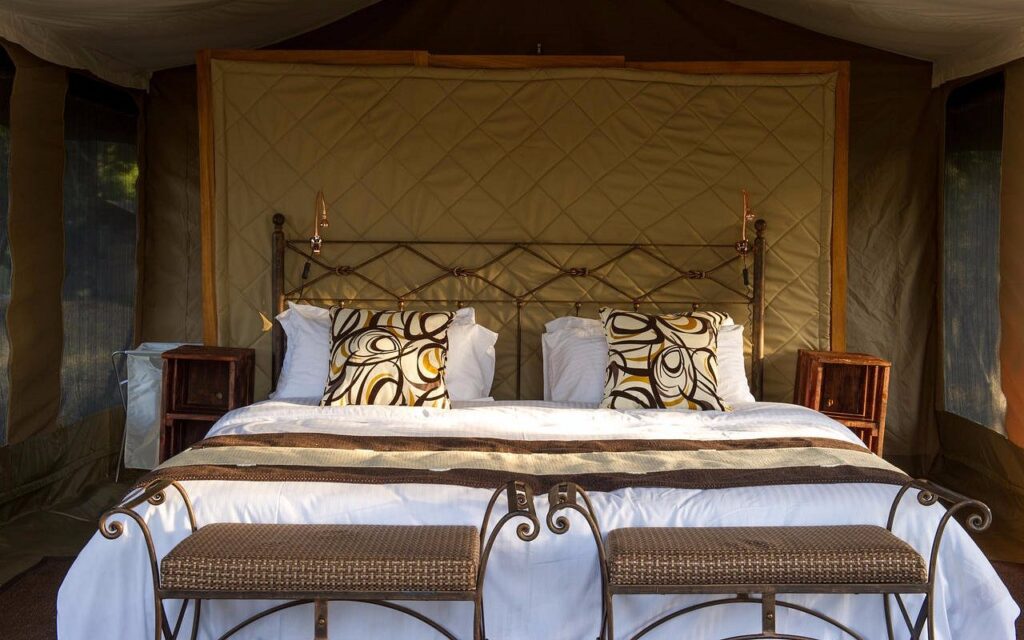
Enaidura Camp, Kenya
Enaidura Camp is a community-owned lodge located within the 22,000-acre Enaidura Conservancy in Kenya’s Laikipia region. The conservancy is run by the local Kikuyu and Maasai communities, who work together to protect the area’s diverse wildlife, including elephants, giraffes, and cheetahs. Experience the African wilderness through walking safaris, game drives, and chatting with local people. The camp’s profits help fund community development projects such as schools, healthcare, and infrastructure, ensuring that tourism supports both wildlife conservation and local livelihoods. The mobile camp itself is simple but stylish, with just a handful of spacious canvas tents under shade trees, offering en-suite bathrooms and hot bucket showers. It’s designed to be low-impact, with a strong focus on sustainability and minimal environmental footprint.
Tongole Wilderness Lodge, Malawi
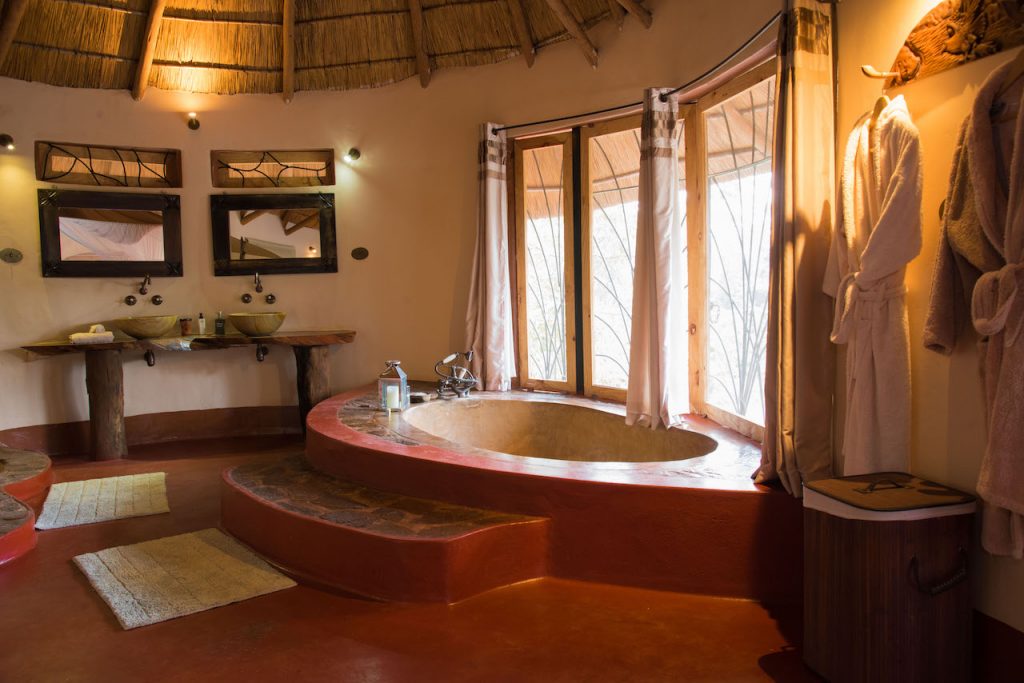
Tongole Wilderness Lodge, in the pristine Nkhotakota Wildlife Reserve, is entirely owned by the community. Located above the Bua River and surrounded by miombo woodland, this luxurious eco-lodge is the only high-end accommodation inside the reserve. Built using local materials and labour, Tongole was created not only to protect the region’s biodiversity but to offer long-term economic opportunities for surrounding communities. Relax in beautifully designed open-fronted suites, complete with river views, freestanding baths, and thatched roofs. The lodge offers a peaceful, off-grid escape, with solar power, locally sourced food, plus exceptional hospitality. Experiences at Tongole are all about nature and community. Canoe safaris along the Bua River offer the chance to spot elephants, otters, and rare birdlife, while guided walking safaris and game drives explore the vast, unspoiled wilderness of Nkhotakota. The lodge also works closely with local schools and conservation initiatives, and guests are encouraged to visit and support these projects.
Naibosho Conservancy, Kenya
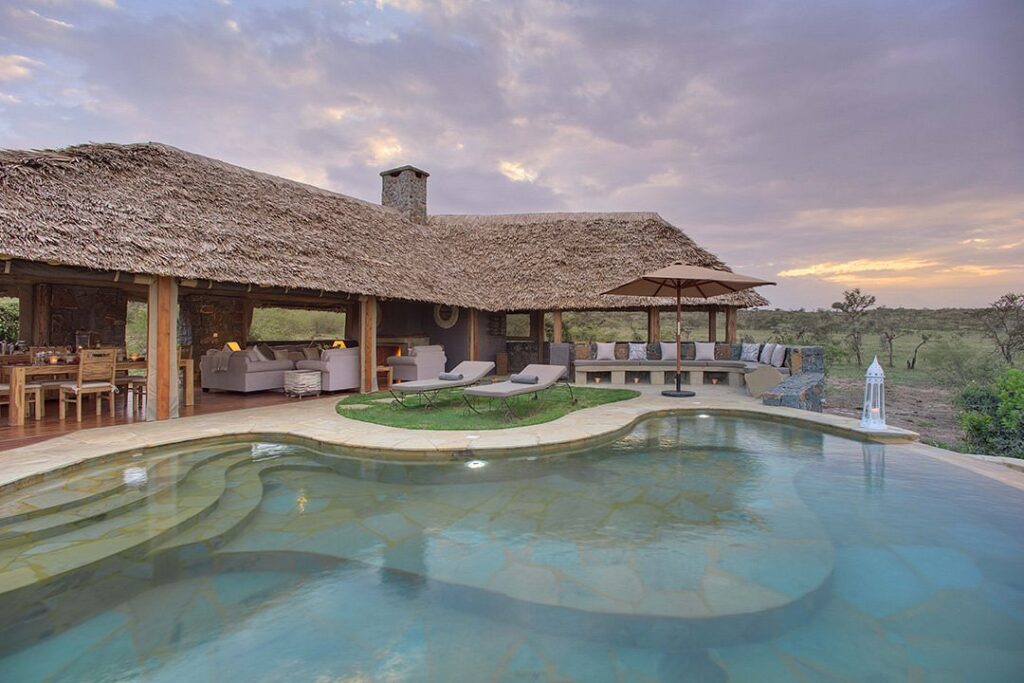
Naibosho Conservancy, located in the heart of Kenya's iconic Maasai Mara ecosystem, is managed by the local Maasai community, in collaboration with landowners and conservationists, to protect both wildlife and the way of life of the indigenous people. Spanning 50,000 acres of raw wilderness, Naibosho is teeming with wildlife, from the Big Five to cheetahs, giraffes, and an array of bird species. It's particularly well known for big cats. 100% of the profits generated from tourism go back into supporting local Maasai families and community projects. Revenue is invested in education, healthcare, and sustainable livelihoods, ensuring that the community benefits directly from conservation efforts. The conservancy is also known for its innovative wildlife protection initiatives, including anti-poaching patrols and human-wildlife conflict resolution strategies. There are opportunities to track wildlife on foot here with Maasai guides, go on game drives, and visit local Maasai villages. The conservancy is home to several eco-friendly camps and lodges.
Somkhanda Game Reserve, South Africa
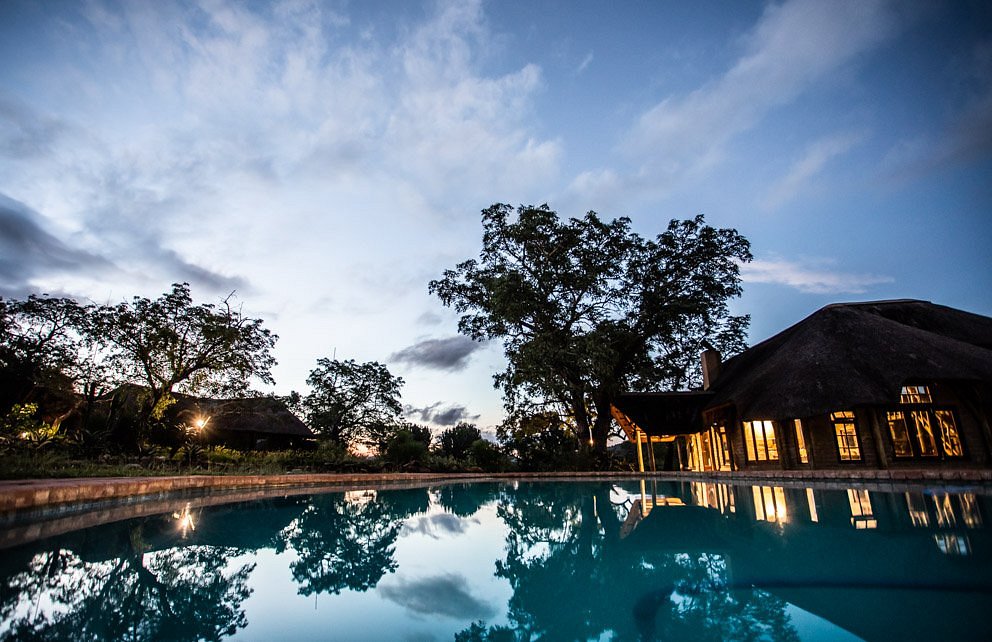
Somkhanda Game Reserve, in the rolling hills of northern KwaZulu-Natal, is a 12,000-hectare Big Five reserve that is owned and managed by the Gumbi community, who were awarded the land through a successful land claim and chose to dedicate it to conservation. Working with partners like the Wildlands Conservation Trust and Project Rhino, the community has created a thriving wildlife haven that’s home to rhino, elephants, buffalo, leopards, and a growing population of endangered African wild dogs. Stay at Somkhanda Community Camp, a simple but comfortable base for exploring the reserve. Accommodation is unfussy but welcoming, offering clean chalets and a self-catering lodge, with wide-reaching views and warm Gumbi hospitality. The experience is more intimate and grounded than a high-end safari, with the focus on meaningful wildlife encounters and cultural connection. Activities include game drives, birding (the reserve boasts over 230 species), and learning about traditional Gumbi land stewardship. Visitors also have the chance to engage with rangers and conservation teams working on the front lines of rhino protection.


Poste restante
Greater escapes in your inbox
New stays, thoughtful stories and travel ideas. Unsubscribe whenever.