
Skip overcrowded UNESCO sites and visit these under-the-radar nominated spots instead
UNESCO status brings prestige, funding and often overtourism. These twelve sites on the organisation's Tentative List offer the same outstanding universal value without the queues, from a gorilla sanctuary on the Uganda-Rwanda border to a 15th-century mosque in the UAE.
UNESCO World Heritage Sites are globally significant for their culture, heritage and scientific significance. According to the United Nations body, awarded sites are of "outstanding universal value to humanity" and should be "protected for future generations to appreciate and enjoy". The Acropolis in Greece, ancient Kyoto, Machu Picchu, Taj Mahal and Serengeti are all UNESCO World Heritage Sites.
Among the first UNESCO sites named were the Galapagos Islands and Yellowstone in 1978. Today there are over 1000. But gaining the UNESCO stamp is a double-edged sword. Yes, it brings recognition of heritage, a higher level of status that can stave off development within or around sites, as well as access to funds to help countries continue to protect sites but being UNESCO-listed can cause unwanted side effects too, namely overtourism. Funds dedicated to conserve sites go more towards warding off damage from tourism.
Venice is a prime example of this, as are all of the above sites unfortunately too. The city receives 30 million visitors a year compared to just 50,000 people who live there permanently. A number of strategies have been put in place to limit the damage including banning cruise ships, increasing tourism taxes and regulating tour groups, yet numbers remain too high.
So if you don’t want to add further pressure to already-overtouristed sites but still want to see and contribute economically to some of the world’s top heritage or cultural sites, the UNESCO Tentative List may be the solution. This list contains sites that countries deem to be worthy of inclusion, but have not been yet. Go there before everyone else does.
Here are some of the most intriguing UNESCO-nominated sites to visit:
UNESCO-nominated sites in Asia
Jinsha Site Museum, China
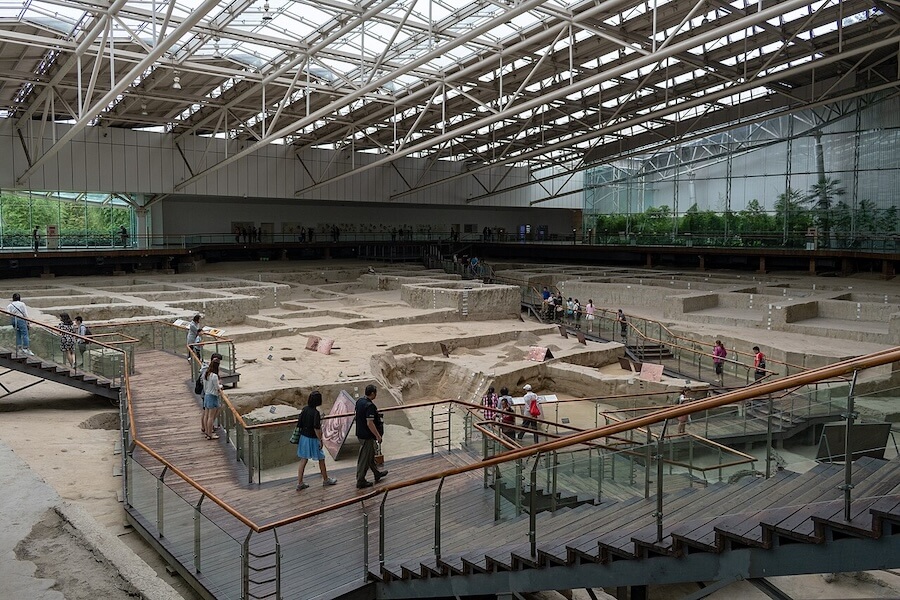
Located in the northwest of Chengdu, the Jinsha Site Museum is an archaeological treasure house built directly over the ruins of the ancient Shu Kingdom’s capital. Discovered accidentally by construction workers in 2001, this 30-hectare site dates back roughly 3,000 years (c. 1200–650 BCE) and is considered one of China's most significant archaeological finds of the 21st century. The museum is uniquely divided into two primary structures: the Relics Hall, a massive semi-circular dome that preserves the active excavation site where you can peer down over sacrificial pits and elephant tusks still embedded in the earth, and the Exhibition Hall, which houses over 6,000 precious artifacts. Among its most iconic treasures are a gossamer thin gold mask and the Sun and Immortal Birds gold foil, an exquisite circular ornament that has since been adopted as the official symbol of Chinese Cultural Heritage and the city logo of Chengdu.
Phnom Kulen, Cambodia
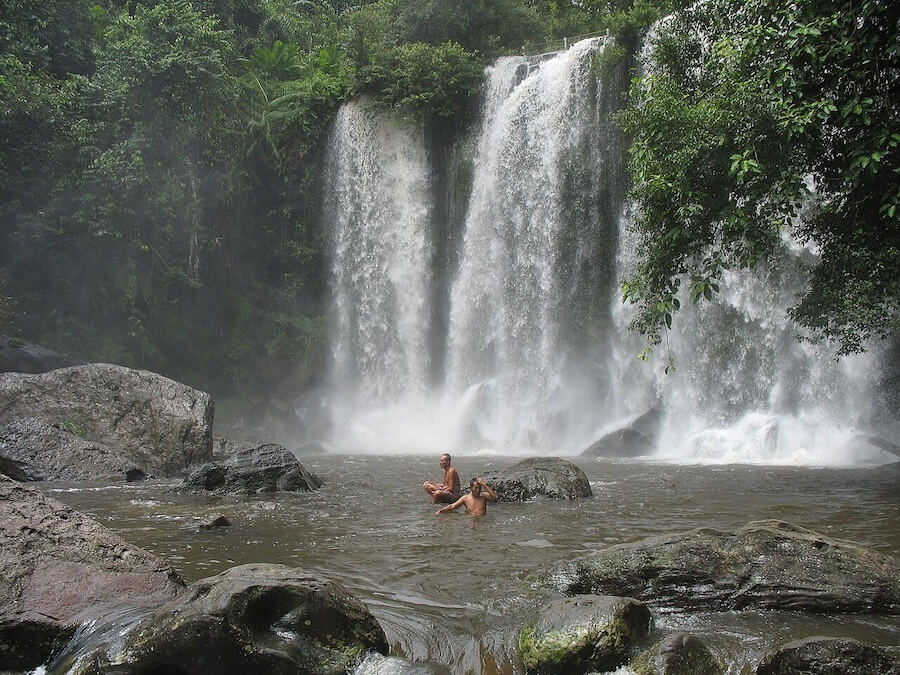
Acknowledged as the sacred birthplace of the ancient Khmer Empire, this mist-shrouded sandstone plateau served as the site where King Jayavarman II of Cambodia declared independence in 802 AD, sparking the dawn of the Angkorian era. UNESCO-nominated site Phnom Kulen, or the Mountain of Lychees, remains Cambodia’s most holy peak. Wander through the jungle to the erotically-named River of a Thousand Lingas, where hundreds of intricate phallic Hindu symbols are carved directly into the rocky riverbed beneath the flowing water to sanctify the stream. Nearby, the 16th-century Preah Ang Thom monastery houses a massive reclining Buddha carved into a natural boulder, while a series of powerful, multi-tiered waterfalls provides a space for both ritual bathing and good old fashioned fun.
UNESCO-nominated sites in Africa
Makgadikgadi Pans Landscape, Botswana
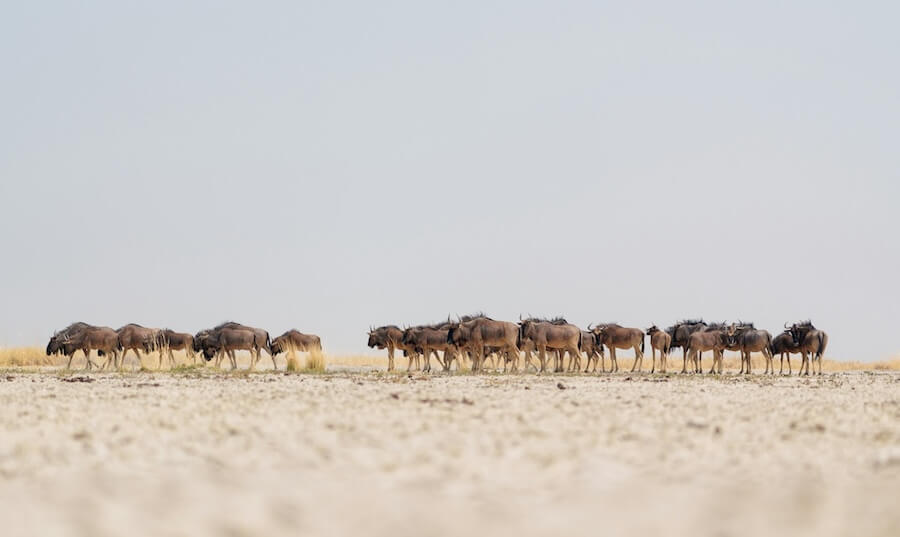
Once the bed of an ancient super lake that covered a vast portion of northern Botswana, this shimmering, otherworldly terrain now forms one of the largest salt flat complexes on Earth. The UNESCO-nominated Makgadikgadi Pans Landscape transforms from a desolate, cracked white crust in the dry months to a lush, watery sanctuary during the rains and this transformation triggers one of Africa’s most spectacular events: the second-largest zebra and wildebeest migration on the continent, accompanied by thousands of greater flamingos that arrive to breed in the shallow, mineral-rich waters. Scattered across this lunar-like expanse are islands of ancient baobabs, such as the famous Baines’ Baobabs, which have stood as sentinels for centuries. Beyond its ecological marvels, the site preserves a deep human history, with Stone Age tools frequently found resting on the salt surface.
Mgahinga Gorilla National Park, Uganda
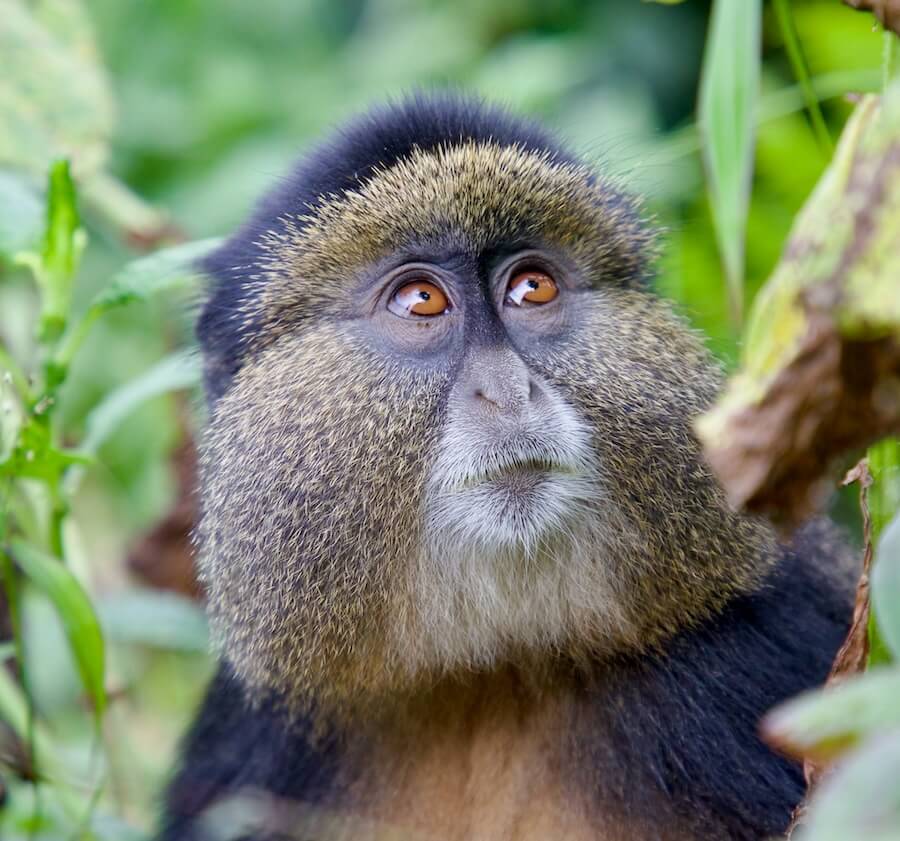
Dominating the high-altitude clouds where Uganda, Rwanda, and the Democratic Republic of Congo meet, this rugged volcanic sanctuary serves as a critical refuge for some of the world’s last remaining mountain gorillas. Mgahinga Gorilla National Park is anchored by three dormant peaks of the Virunga Mountains, Muhabura, Gahinga, and Sabyinyo, whose jagged ridgelines provide a striking backdrop to a mosaic of bamboo forests and alpine moorlands. While famous for silverback gorillas, the park is also the only place in Uganda to track the very sweet, rare, golden monkeys that live in the park’s bamboo zones. Beyond its wildlife, the landscape holds deep cultural resonance as the ancestral home of the Batwa people, the indigenous forest keepers who once lived alongside wildlife for millennia before the park was gazetted in 1991.
UNESCO-nominated sites in the Americas
Valle Calchaquí, Argentina
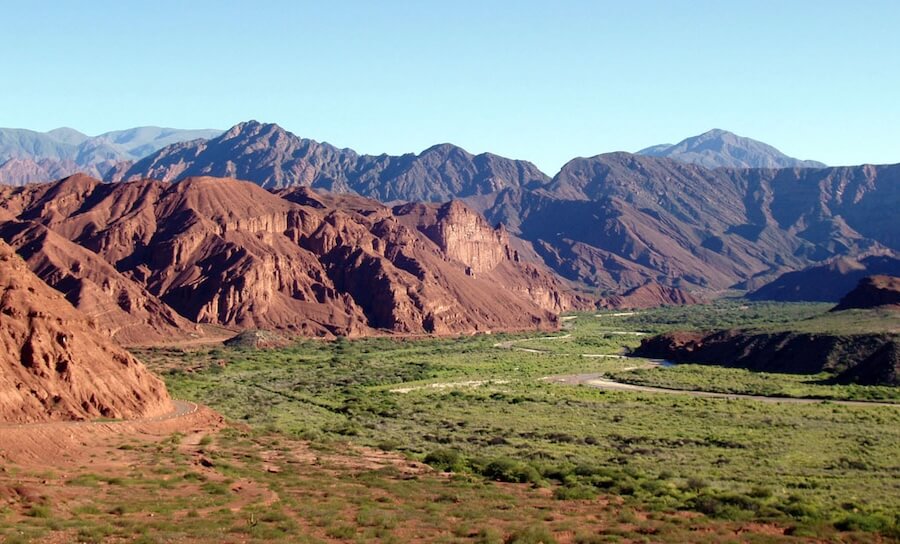
Stretching like a 520-kilometre ribbon through the high-altitude deserts of Northwest Argentina, this kaleidoscopic corridor of rust-colored canyons and whitewashed colonial villages has gone through dramatic geological upheaval. Over millions of years wind and water have sculpted surreal rock formations, such as the arrow-like peaks of the Quebrada de las Flechas and the towering, natural acoustics of the Amphitheater. It is one of the world's most extreme viticultural regions, home to Argentina’s highest vineyards where the signature Torrontés grape thrives under more than 300 days of annual sunshine. Beyond its natural wonders, the valley preserves a layered human history, from the ancient ruins of the Quilmes people, who famously resisted Spanish conquest for over a century, to the giant candelabra cacti of Los Cardones National Park, dotted along old Inca trails.
Gwaii Haanas, Canada
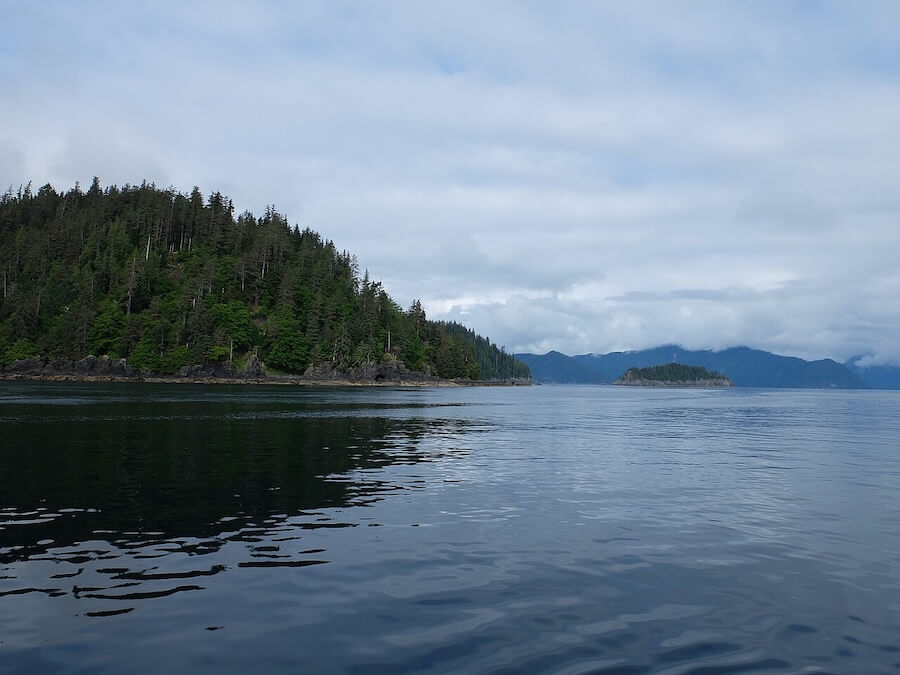
Managed through a unique partnership that recognises both Haida law and Canadian federal authority, this protected wilderness is the only place on Earth preserved from the deep-sea floor to the mountain peaks. UNESCO-nominated Gwaii Haanas National Park Reserve, National Marine Conservation Area, and Haida Heritage Site safeguards a landscape containing ancient Sitka spruce, western red cedar forests transition and watery kelp forests teeming with life. Throughout the archipelago, real Haida Gwaii Watchmen now serve as guardians and educators of cultural sites like the village of SGang Gwaay, where weathered mortuary poles with carved watchmen heads still stand marking a civilization that has flourished here for over 12,000 years. Because the area is accessible only by boat or seaplane, it remains a sanctuary for endemic species such as the world' s largest black bears too.
UNESCO-nominated sites in Australasia
Flinders Ranges, Australia
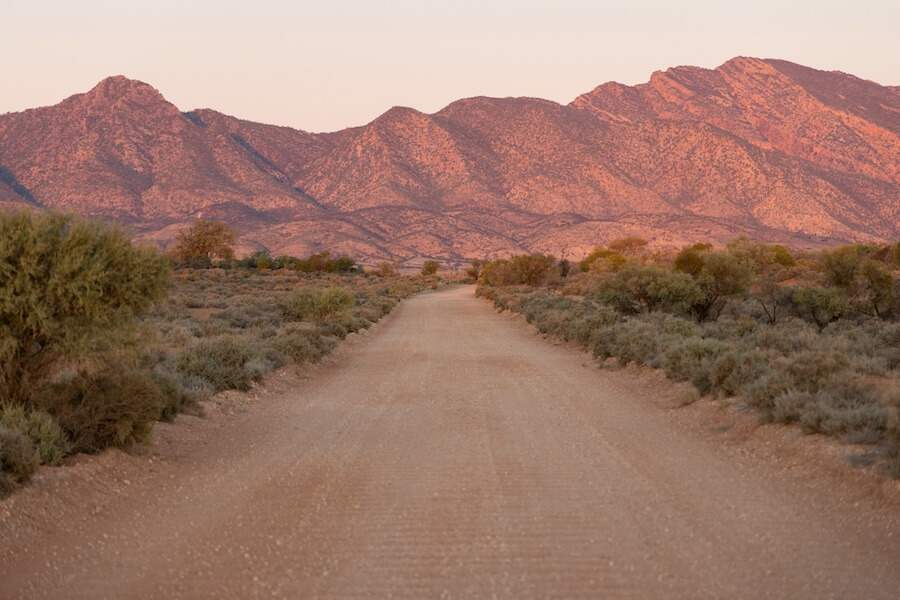
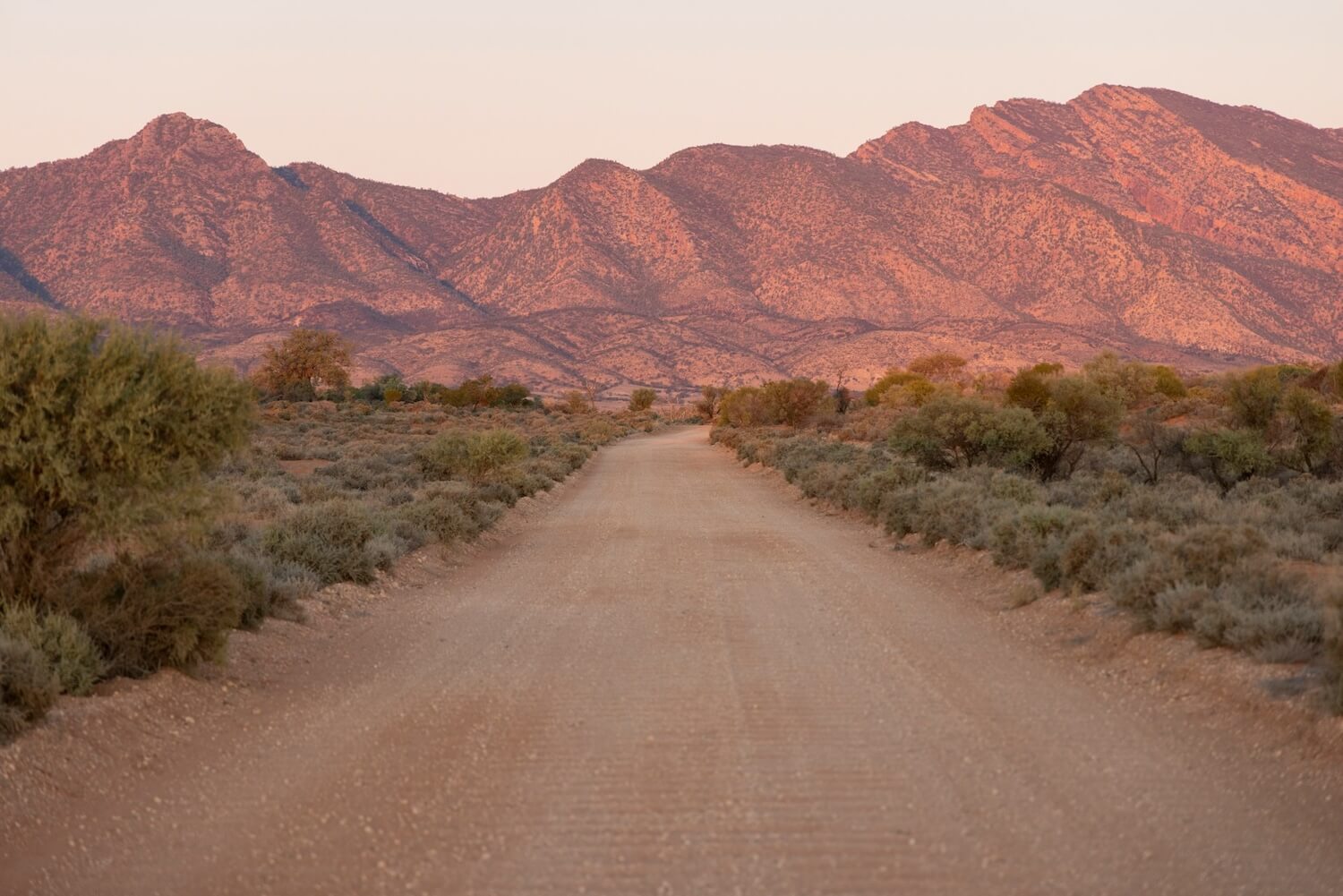
Etched into the crust of South Australia over 600 million years, this weathered landscape of serrated mountain ridges and deep gorges is a colossal open-air museum of geological time. The Flinders Ranges are perhaps most famous for Ikara, also known as Wilpena Pound, a massive natural amphitheatre that appears from above like a giant crater but is actually the result of millions of years of erosion. This ancient terrain contains some of the world's oldest fossil evidence of complex animal life, found within the Ediacara Hills, which has fundamentally changed our understanding of evolutionary history. Beyond its scientific importance, the region is the ancestral home of the Adnyamathanha people, whose dreaming stories are etched into the rock art of sacred sites and reflected in the shifting colours of the rocky peaks at sunset.
Maungaroa Cultural Landscape, Cook Islands
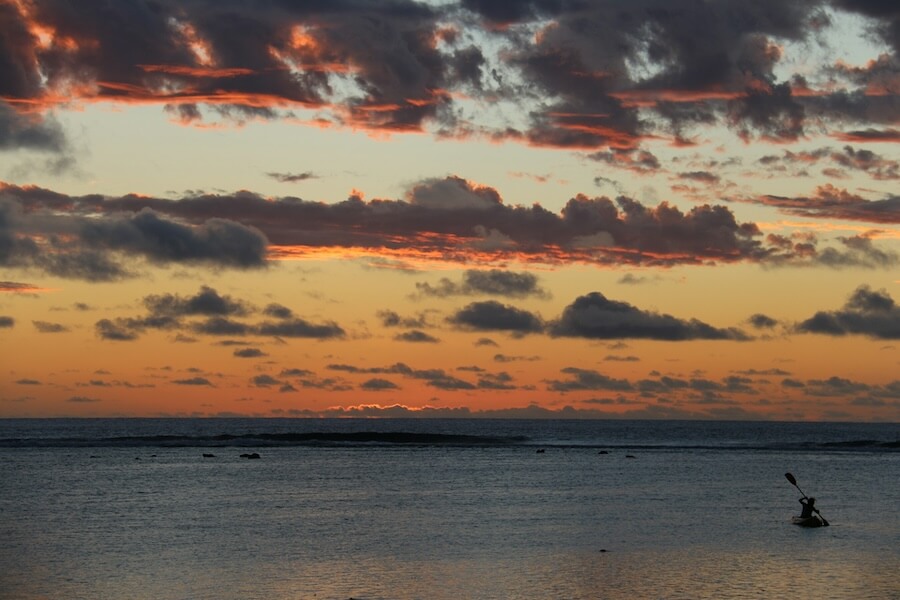
Characterised by a series of ancient basalt structures that have been reclaimed by the tropical forest, this inland sanctuary on the island of Rarotonga is a monument to Polynesian heritage. The UNESCO-nominated Maungaroa Cultural Landscape preserves the remnants of a significant 15th-century mountain settlement, featuring sacred marae meeting grounds and stone house platforms where the island's high chiefs once held court. These ruins offer a glimpse into a period when the population lived primarily in the volcanic interior for protection and resource management, long before coastal villages became the norm. Today, descendants of the original tribes act as stewards of the site, guiding visitors through the dense vines to explain the spiritual power of the stone monuments and the traditional uses of the native flora.
UNESCO-nominated sites in Europe
The Zenith of Iron Age Shetland, Scotland
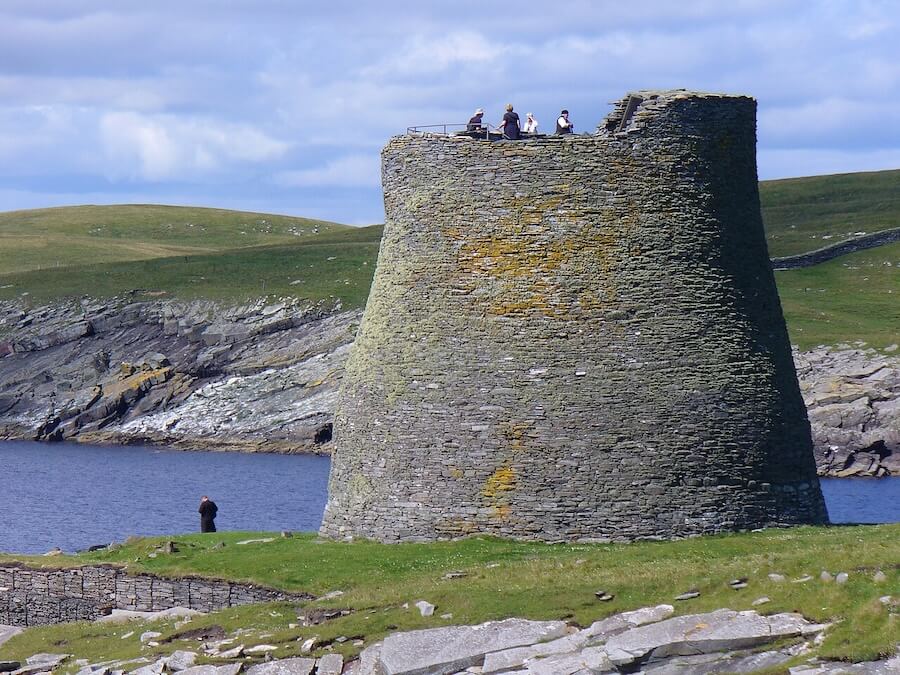
Along the windswept coastal edges of the Shetland archipelago, these massive drystone towers represent the ultimate architectural achievement of prehistoric Scotland. The Zenith of Iron Age Shetland is a collection of three remarkable sites—Mousa, Old Scatness, and Jarlshof—centered around the broch , a sophisticated double-walled fortress found nowhere else in the world. The Broch of Mousa remains the crowning glory of this era, standing nearly thirteen metres tall and surviving as the most complete prehistoric structure in Northern Europe. These circular towers were engineered with internal galleries and staircases sandwiched between two layers of stone, a design that allowed them to reach impressive heights without the use of mortar. Excavations at these sites have revealed a complex society of farmers and traders who thrived in the harsh North Atlantic environment, and showing Iron Age roundhouses sitting directly beneath Viking longhouses.
The Ancient City of Apollonia, Albania
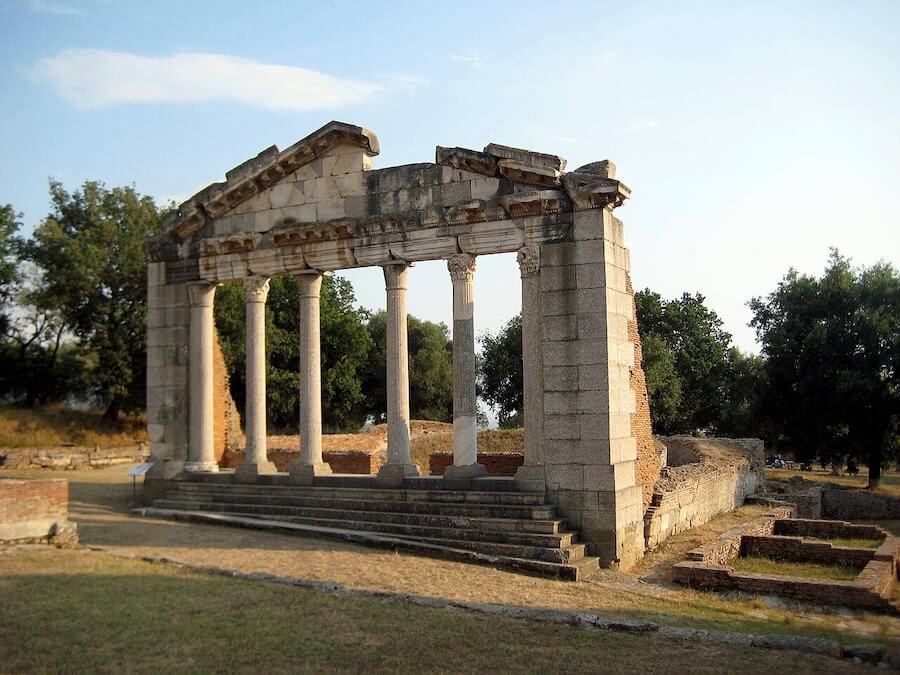
Founded by Greek colonists on a windswept hill above the Adriatic plains, these sprawling ruins eventually became a sophisticated Roman powerhouse known for its prestigious school of philosophy. The Ancient City of Apollonia rose to such prominence that it served as the training ground for a young Octavian, who was studying here when he discovered he would become the Emperor Augustus. Walking through the site today, you can see the elegant columns of the Bouleuterion still standing against the horizon, alongside a massive stone theatre and a library that once drew scholars from across the Mediterranean. The city eventually fell into ruin after a devastating earthquake shifted the course of the Vjosa River, turning a once-thriving port into a landlocked relic and inadvertently preserving its marble temples under layers of earth. Now an archaeological park dotted with gnarled olive trees, the site features a 13th-century monastery built from the very stones of the ancient city.
UNESCO-nominated sites in the Middle East
Ras al Had Turtle Reserve and Ras al Jinz, Oman
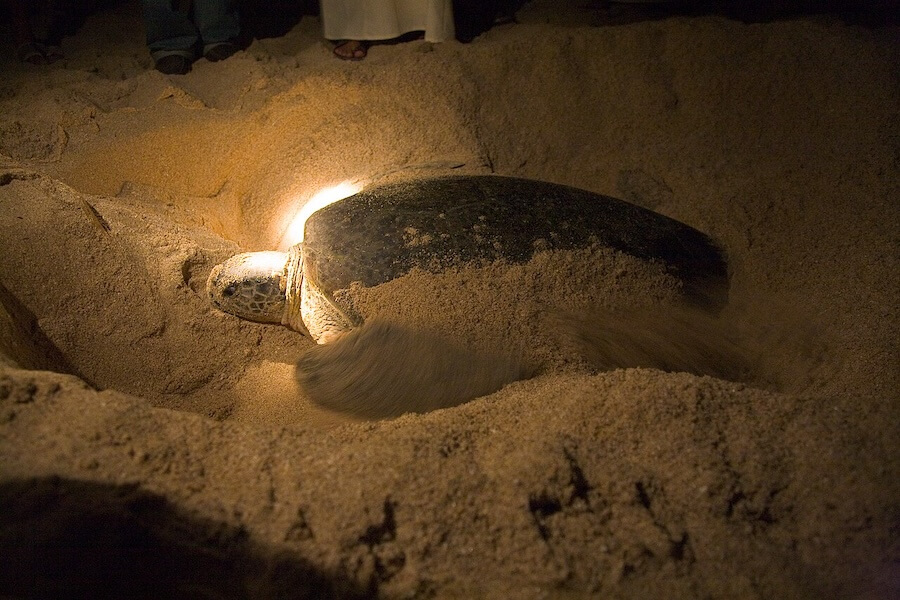
Guided by an ancient instinct that draws thousands of endangered green sea turtles back to the very sands where they were hatched, this protected coastline on the easternmost tip of the Arabian Peninsula is a critical nursery for the species. The Ras al Hadd and Ras al Jinz reserves include both limestone cliffs and golden beaches where, under the cover of darkness, these ocean-dwelling giants emerge from the surf to excavate deep nests in the dunes. At the Ras al Jinz visitor centre, small groups are led onto the shore in the quiet of the night or at the break of dawn to witness the nesting process and the eventual scramble of tiny hatchlings toward the Indian Ocean.
Al Bidya Mosque, UAE
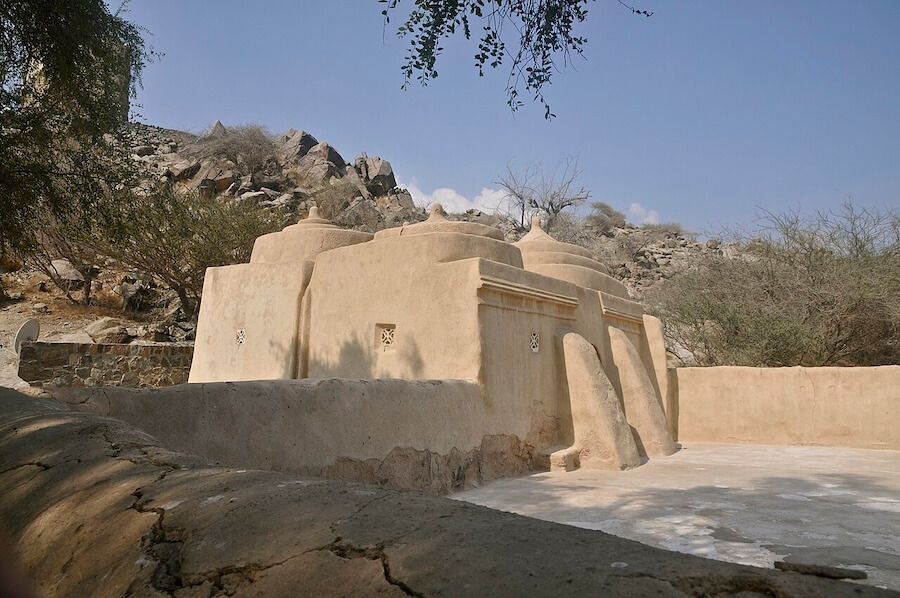
Built from local stone and mud bricks, this modest but sturdy structure is the oldest functional place of worship in the United Arab Emirates. Located in the foothills of the Hajar Mountains, it is often referred to as the Ottoman Mosque despite predating that empire's local influence. UNESCO-nominated Al Bidya Mosque is defined by its unique architectural silhouette, featuring four tiered, charcoal-coloured domes that spiral upward like small hives. Flanked by two ancient watchtowers perched on the ridges above, the site overlooks date palms and coastal plains.
Radiocarbon dating suggests its foundations were laid as early as the 15th century, yet it continues to host daily prayers for the local community five hundred years later. The interior is equally striking in its simplicity, with a central pillar supporting the weight of the domes and small windows cut into the thick walls to allow for natural ventilation and a soft, filtered light.


Poste restante
Greater escapes in your inbox
New stays, thoughtful stories and travel ideas. Unsubscribe whenever.