
Discover the world’s best community-owned places to stay
Indigenous-owned lodges in the Amazon, Maasai conservancies in Kenya, First Nations resorts in British Columbia. Here is a global round-up of places to stay where communities run the show.
In an era of mass tourism, the way we spend our travel has never been more critical. While global hotel chains offer predictability, community-owned enterprises offer something far more valuable: agency. When we shift our focus toward locally managed lodges and guesthouses, we ensure that the profit from tourism stays exactly where it’s generated.
This is why community ownership matters so much. When power remains in the hands of local people, the risk of inequality reduces. Benefits are much more likely to reach homes and villages. Funds aren't siphoned off to distant corporations. Instead, they flow into schools, healthcare, infrastructure, and the vital conservation efforts that sustain the very beauty drawing you there. This model can empower communities to shape their futures, preserve their unique cultures on their own terms, and become fierce guardians of their natural world. Here are some of the best community-owned places to stay around the world.
Chalalán Ecolodge, Bolivia
Built and run entirely by the indigenous Quechua-Tacana community of San José de Uchupiamonas, this award-winning lodge deep in Bolivia's Madidi National Park (getting there is an adventure in itself) was founded on a vision to protect their ancestral lands from illegal logging and to create sustainable livelihoods. Small in size, only 20 guests at a time can stay here, but they will be rewarded with knowing that tourism here is helping to keep this incredible region protected. Indigenous communities have long protected their own lands and are some of the world's best conservationists and Chalalan is a testament to this.
Who owns it: 100% owned and operated by the indigenous Quechua-Tacana community of San José de Uchupiamonas.
Beyond the stay: Explore one of the most biodiverse places on Earth with expert indigenous guides. Discover jungle trails, spot elusive wildlife like jaguars, giant otters and tapirs, or embark on a night boat trip for caiman spotting. Learn about traditional medicinal plants and experience the community's cultural heritage firsthand.
Wider destination: Madidi National Park is a jewel of the Amazon basin. It is one of the most biodiverse places in the world with a mosaic of ecosystems ranging from high-Andean cloud forests to lowland rainforests.
Il Ngwesi, Kenya
Il Ngwesi is a leading model of community-owned conservation on Kenya’s vast Laikipia Plateau. This gorgeous but remote lodge is entirely owned, managed, and staffed by the local Maasai community, pioneers in establishing their own conservancy. In partnership with Lewa Conservancy, Il Ngwesi works to create a safe home for white rhino, lions, elephants, Grevy's zebra, and leopards. The lodge is unique in its design, with open-sided, stilted cottages that make the most of the landscape. Tourism revenue directly supports education, health, and conservation efforts.
Who owns it: 100% owned and operated by the local Il Ngwesi Maasai community.
Beyond the stay: Experience walking safaris led by Maasai warriors, visit local bomas (homesteads), and track wildlife, often without any other tourists around. Participate in traditional ceremonies or simply soak in the stunning views while learning about Maasai traditions and the challenges they face in modern conservation.
Wider destination: Laikipia is a critical wildlife corridor and a region where innovative conservation approaches are flourishing, often driven by local communities and private landowners.
Chi Phat, Cambodia
Once heavily impacted by illegal logging, Chi Phat, a remote village in Cambodia's Cardamom Mountains, transformed its future through a visionary project supported by the Wildlife Alliance. The entire initiative, from guesthouses to guiding services, is now managed and operated by the local community. Former poachers are now guides, as tourism offers greater benefits than animal trafficking. Choose to stay in a guesthouse, forest camp or homestay. The village also has a visitor centre and communal restaurant.
Who owns it: Everything is owned, managed, and operated by the Chi Phat Community.
Beyond the stay: Trek through dense jungle to discover waterfalls and ancient Angkorian burial sites, cycle along village paths, or embark on river boat trips to spot wildlife. Attend cooking classes, visit local schools, and see how a community rebuilt itself through sustainable tourism.
Wider destination: The Cardamom Mountains are a vital biodiversity hotspot and one of Southeast Asia's last great wilderness areas, crucial for endangered species like Asian elephants and Siamese crocodiles.
Camping with Custodians, Australia
Scattered across remote Western Australia, the Camping with Custodians network offers a truly unique way to experience the Outback. These Aboriginal-owned and operated campgrounds (and some with simple cabins) are direct ventures by First Nations communities. They provide a direct pathway for visitors to engage with Indigenous culture, learn about traditional land management, and ensure that tourism benefits stay right where they belong – with the Traditional Owners.
Who owns it: Owned and operated by various Aboriginal communities on their traditional lands.
Beyond the stay: Participate in cultural talks around a campfire, learn about bush tucker and medicine, listen to Dreamtime stories, and discover ancient rock art. Experience stargazing like never before under vast desert skies, directly contributing to Indigenous economic empowerment and cultural revitalisation.
Wider destination: Western Australia's Kimberley and Pilbara regions are vast, rugged, and culturally significant landscapes, home to ancient rock formations, stunning gorges, and vibrant Aboriginal cultures.
Community Homestay Network, Nepal
Across the diverse landscapes of Nepal, the Community Homestay Network connects travellers with genuine local experiences. Here, the "lodge" isn't one building, but a collection of individual homes where local families are your hosts. Each homestay is owned and run by the family themselves, ensuring that the vast majority of your payment directly supports their household and their wider community's projects, from school upgrades to health clinics.
Who owns it: Individual homestays are owned and operated by local Nepali families.
Beyond the stay: Learn to cook traditional Nepali dishes, participate in daily village life, explore local farms, and share stories with your host family. Many communities offer cultural performances, guided walks to local temples, or opportunities to witness traditional crafts.
Wider destination: Nepal offers incredible trekking, stunning Himalayan vistas, and a rich tapestry of ethnic groups and cultures, providing a deeply rewarding travel experience.
Klahoose Wilderness Resort, British Columbia, Canada
Nestled in the pristine marine wilderness of Desolation Sound, the Klahoose Wilderness Resort is a testament to Indigenous self-determination and sustainable tourism. This exquisite resort is 100% owned and operated by the Klahoose First Nation. It offers a unique blend of luxury, cultural immersion, and wildlife viewing, with every aspect designed to provide meaningful employment and cultural revitalisation for the Klahoose people.
Who owns it: 100% owned and operated by the Klahoose First Nation.
Beyond the stay: Explore the marine environment by kayak, search for grizzly bears and other wildlife with Indigenous guides, and immerse yourself in Klahoose culture through storytelling, cedar weaving, and traditional salmon preparation. Learn about their deep connection to the land and sea.
Wider destination: Desolation Sound and the surrounding coastal waters of British Columbia are renowned for their stunning fjords, abundant marine life (including whales and dolphins), and the rich cultural heritage of the First Nations.
Rewa Lodge, Guyana
Deep in the heart of Guyana’s North Rupununi, Rewa Lodge is an inspiring example of community-led ecotourism. Built and run entirely by the Makushi indigenous community of Rewa Village, this lodge offers authentic encounters with the rainforest and its people. Your stay directly supports the community's conservation efforts, particularly the protection of the giant arapaima fish, and provides vital income for education and community development.
Who owns it: 100% owned and operated by the Makushi indigenous community of Rewa Village.
Beyond the stay: Embark on expert-guided fishing expeditions for giant arapaima (catch-and-release), birdwatching trips to spot harpy eagles, and rainforest treks. Experience Makushi culture through traditional meals, storytelling, and perhaps a visit to the village.
Wider destination: Guyana is a captivating South American gem, known for its pristine rainforests, incredible biodiversity, and strong commitment to Indigenous-led conservation.
Tetepare Ecolodge, Solomon Islands
Imagine a place so pristine it's known as "The Last Wild Island." That's Tetepare, in the Solomon Islands, and its ecolodge is entirely owned and operated by the Tetepare Descendants' Council (TDC). This unique initiative allows the descendants of the island's original inhabitants to protect their ancestral land and sea from logging and overfishing, relying on sustainable tourism to fund their vital conservation efforts.
Who owns it: 100% owned and operated by the Tetepare Descendants' Council (TDC), representing the customary landowners.
Beyond the stay: Snorkel or dive in vibrant coral reefs, explore the island's untouched rainforests, and spot rare birds, dugongs, and crocodiles. Learn about local conservation initiatives, traditional knowledge, and the incredible story of this island and its people.
Wider destination: The Solomon Islands are a paradise for divers and nature lovers, offering stunning marine biodiversity, lush rainforests, and a rich Melanesian culture still deeply connected to tradition.
Surama Eco-Lodge, Guyana
Another jewel of Guyana's indigenous tourism, Surama Eco-Lodge is owned, managed, and staffed entirely by the Makushi indigenous community of Surama Village. Nestled at the foot of the Pakaraima Mountains, this lodge is a testament to the community's commitment to preserving their culture and protecting their ancestral lands through sustainable ecotourism.
Who owns it: 100% owned and operated by the Makushi indigenous community of Surama Village.
Beyond the stay: Participate in guided walks to explore the village and surrounding forests, learn about Makushi traditions, and search for giant river otters on the Burro Burro River. Enjoy traditional meals, cultural performances, and the chance to witness daily village life.
Wider destination: The North Rupununi region of Guyana is renowned for its vast savannas, pristine rainforests, and diverse wildlife, offering a true immersion into remote wilderness and indigenous culture.
Kapawi Ecolodge, Ecuador
In the remote Pastaza province of Ecuador, Kapawi Ecolodge is a pioneering example of successful indigenous self-management. Originally a partnership, the Achuar indigenous people now hold full ownership and management of the lodge. This vital venture allows the Achuar to maintain their traditional way of life, protect their vast rainforest territory, and generate sustainable income on their own terms.
Who owns it: 100% owned and managed by the Achuar indigenous people.
Beyond the stay: Explore the Achuar territory with knowledgeable indigenous guides, learning about their spiritual connection to the forest and its creatures. Participate in traditional ceremonies, try their unique cuisine, and witness incredible wildlife, from monkeys to macaws, in a truly remote setting.
Wider destination: The Pastaza region of the Ecuadorian Amazon is one of its most pristine and culturally rich areas, offering deep immersion into indigenous lifeways and unparalleled biodiversity.
Napo Wildlife Center, Ecuador: community-led luxury in the Amazon
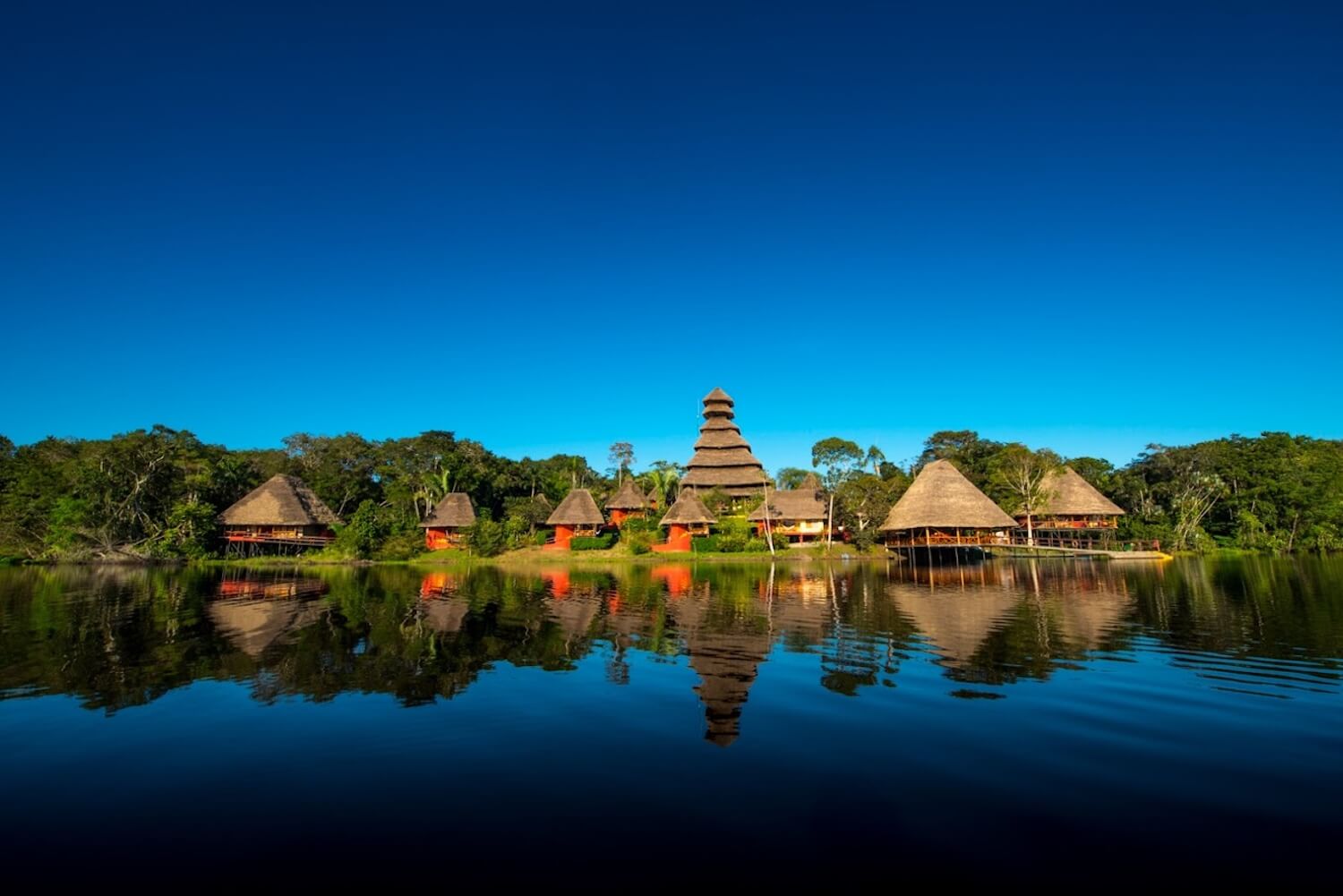
For a truly immersive and ethically sound Amazon experience, the Napo Wildlife Center stands out. This magnificent lodge, renowned for its birdwatching and wildlife viewing, is fully owned, built, and managed by the Añangu Kichwa indigenous community. Their commitment to conservation is legendary, with profits directly funding their community and protecting a vast tract of rainforest.
Who owns it: 100% owned and managed by the Añangu Kichwa indigenous community.
Beyond the stay: Discover diverse wildlife including giant otters, monkeys, and a myriad of bird species from observation towers and canoe trips. Engage in cultural exchanges with the Añangu community, learn about their traditions, and understand their successful model of eco-tourism and self-governance.
Wider destination: Located within Yasuní National Park, the area boasts exceptional biodiversity and is a prime destination for serious nature enthusiasts and those seeking profound cultural connections.
Nkwichi Lodge, Mozambique
Perched on the idyllic coastline of Mozambique, Nkwichi Lodge is a hidden gem truly owned and operated by the local Mwani community. It's a powerful example of how tourism can directly empower coastal communities, providing livelihoods and fostering pride in their marine and cultural heritage. Every stay directly benefits the Mwani people, helping them preserve their traditions and protect their pristine environment.
Who owns it: 100% owned and operated by the local Mwani community.
Beyond the stay: Explore the pristine beaches, snorkel in vibrant coral reefs, and embark on traditional dhow sailing trips. Engage with the Mwani community, learn about their fishing traditions, local crafts, and daily life. Enjoy fresh, locally sourced seafood prepared with authentic flavours.
Wider destination: Mozambique's coastline is known for its untouched beauty, diverse marine life, and rich Swahili culture, offering a unique blend of relaxation and adventure.
Cooinda Lodge, Kakadu, Australia
In the magnificent Kakadu National Park, a UNESCO World Heritage site, Cooinda Lodge offers more than just comfortable accommodation; it provides a gateway to ancient Aboriginal culture. As part of Kakadu Tourism, it is proudly Indigenous-owned and operated. This means your stay directly supports the Bininj/Mungguy Traditional Owners in managing their lands, preserving their culture, and creating opportunities for their people.
Who owns it: Part of Kakadu Tourism, which is Indigenous-owned.
Beyond the stay: Take an iconic Yellow Water Billabong cruise, famous for its incredible birdlife and saltwater crocodiles, often led by Indigenous guides. Visit the Warradjan Aboriginal Cultural Centre, learn about local art, and experience seasonal activities that deepen your understanding of the oldest living culture on Earth.
Wider destination: Kakadu National Park is a dual World Heritage-listed area, celebrated for its outstanding natural beauty and its globally significant Aboriginal cultural sites, including ancient rock art galleries.
Haida House at Tlaga Gawtlaas, Canada
Experience the profound beauty and rich heritage of Haida Gwaii, Canada, at Haida House at Tlaga Gawtlaas. This remarkable lodge is owned and operated by Haida Tourism, an entity of the Council of the Haida Nation. Your visit not only provides a luxurious and culturally immersive experience but also directly contributes to the self-determination, economic development, and cultural revitalization efforts of the Haida people, who have stewarded these lands for millennia.
Who owns it: Owned and operated by Haida Tourism, which is owned by the Council of the Haida Nation.
Beyond the stay: Explore ancient village sites, witness monumental totem poles, and discover the thriving contemporary Haida art scene. Engage with Haida cultural interpreters, participate in traditional activities, and explore the breathtaking natural landscapes of this archipelago, known as Canada's Galápagos.
Wider destination: Haida Gwaii, an archipelago off British Columbia's coast, is a place of immense natural beauty and the heartland of the Haida Nation's rich cultural heritage.
Gomoti Plains Camp, Botswana
While the luxury lodge, Gomoti Plains Camp, is managed by Machaba Safaris, it's situated within the Gomoti Private Concession, which is owned by the Sankoyo Community Trust. This represents a powerful partnership where the community directly benefits from a land lease, employment, and conservation efforts driven by tourism. It's a strong example of how high-end tourism can directly support community land ownership and benefit.
Who owns it: The concession is owned by the Sankoyo Community Trust, who partner with Machaba Safaris for the lodge operations. This is a model of community land ownership directly benefiting from tourism.
Beyond the stay: Embark on thrilling game drives, mokoro (traditional dugout canoe) excursions through the waterways, and walking safaris in an incredibly wildlife-rich area. Learn about the Sankoyo community's conservation efforts and their deep connection to the Okavango.
Wider destination: The Okavango Delta is a UNESCO World Heritage site, one of Africa's most iconic and pristine wilderness areas, known for its incredible density and diversity of wildlife.
Serra Cafema, Namibia
Serra Cafema is a truly remote and extraordinary lodge in Namibia's Hartmann Valley. While Wilderness Safaris operates the lodge, it's a pioneering joint venture with the local Marienfluss Conservancy, which is owned by the Himba community. This model ensures that the Himba people receive direct financial benefits, employment, and play a crucial role in conserving their fragile desert environment and unique culture.
Who owns it: A joint venture with the Marienfluss Conservancy, which is Himba community-owned.
Beyond the stay: Engage in respectful cultural interactions with the Himba people, learning about their ancient traditions and nomadic lifestyle. Take quad bike excursions through the dunes, boat trips on the Kunene River, and search for desert-adapted wildlife in this surreal landscape.
Wider destination: Northern Namibia is characterised by its dramatic desert landscapes, the iconic Kunene River, and the enduring culture of the semi-nomadic Himba people.
Hoada Campsite, Namibia
Nestled amongst massive granite boulders in Namibia, Hoada Campsite is a fantastic example of direct community ownership. This rustic yet charming campsite is entirely owned and managed by the Anadi Community Conservancy, made up of local Damara people. It provides direct income and employment, enabling the community to benefit from tourism and manage their conservancy land effectively.
Who owns it: 100% owned and managed by the Anadi Community Conservancy (Damara people).
Beyond the stay: Explore the unique geological formations around the campsite, enjoy the incredible night skies, and experience the peaceful solitude of the Namibian wilderness. Learn about the Damara culture and their efforts in wildlife conservation, including the desert-adapted elephants.
Wider destination: Damaraland is a rugged, beautiful region of Namibia, known for its vast, arid landscapes, ancient rock art, and unique desert-adapted wildlife.
Sabyinyo Community Lodge, Rwanda
Perched on the edge of Volcanoes National Park, Sabyinyo Community Lodge is a truly inspiring initiative. It is owned by the local SACOLA (Sabyinyo Community Livelihood Association), a trust representing the communities surrounding the park. The lodge is managed by Governors' Camp, but all profits are channeled back to SACOLA, funding crucial community projects like schools, health centers, and livelihood initiatives. This is a powerful model of community ownership and benefit from gorilla tourism.
Who owns it: 100% owned by the SACOLA (Sabyinyo Community Livelihood Association), a local community trust.
Beyond the stay: The primary activity is gorilla trekking, an unparalleled wildlife encounter. Beyond the gorillas, engage with local community projects, visit SACOLA-funded initiatives, and experience the vibrant culture of the Rwandan people living alongside the park.
Wider Destination: Volcanoes National Park in Rwanda is world-renowned for its endangered mountain gorillas and its stunning volcanic landscapes.
Posada Amazónica, Peru
Located in the Peruvian Amazon, Posada Amazónica is a joint venture between the local Ese’Eja indigenous community of Infierno and a private ecotourism operator (Rainforest Expeditions). While the operational management is shared, the land is owned by the community, and they hold a significant stake in the lodge, ensuring direct financial benefits, employment, and a strong voice in its management and conservation efforts.
Who owns it: A joint venture with significant ownership and land rights held by the Ese’Eja indigenous community of Infierno.
Beyond the stay: Explore the rainforest canopy from observation towers, embark on guided jungle treks to spot monkeys, macaws, and other wildlife, and learn about the Ese’Eja's traditional uses of the forest. Visit the community to experience their culture and daily life.
Wider destination: The Tambopata region of the Peruvian Amazon is famed for its incredible biodiversity, particularly its large macaw clay licks and vibrant rainforest ecosystems.
Catarata Ecolodge, Costa Rica
Near the Tenorio Volcano National Park, Catarata Ecolodge is a prime example of community-based tourism in Costa Rica. It is owned and operated by a local association of rural families. Born from a desire to protect the stunning Río Celeste and generate sustainable income, this lodge allows visitors to connect directly with the local community's passion for conservation and their way of life.
Who owns it: 100% owned and operated by a local association of rural families.
Beyond the stay: Discover the vibrant turquoise waters of Río Celeste, explore rainforest trails leading to waterfalls, and immerse yourself in local farming practices. Enjoy traditional Costa Rican cuisine and learn about the community's efforts in environmental protection and sustainable development.
Wider destination: The Northern Plains of Costa Rica are home to lush rainforests, active volcanoes, and rich biodiversity, offering a blend of adventure and nature immersion.
Abode Knuckles, Sri Lanka
In the stunning Knuckles Mountain Range of Sri Lanka, Abode Knuckles is an inspiring community tourism initiative. It is a cluster of homestays within a remote village, where the accommodation is owned and operated by the local families. Your stay here directly supports the villagers, allowing them to earn a living from tourism while preserving their traditional lifestyle and the pristine environment of this UNESCO World Heritage site.
Who owns it: Individual homestays are owned and operated by local families within the village.
Beyond the stay: Embark on guided treks through the cloud forests and tea plantations, discover hidden waterfalls, and learn about the unique biodiversity of the Knuckles Range. Experience authentic Sri Lankan village life, participate in cooking traditional meals, and engage with the warm hospitality of your host family.
Wider destination: The Knuckles Mountain Range is a dramatically beautiful and biologically diverse area of Sri Lanka, offering exceptional trekking and a glimpse into traditional rural life away from the coastal resorts.

Poste restante
Greater escapes in your inbox
New stays, thoughtful stories and travel ideas. Unsubscribe whenever.